
Let's converse about almost the mystery of an incredible supper. It's not fair, the formula. It's what's in your glass. The right dry, ruddy wine can turn a great supper into an extraordinary one. It lifts the flavors of your nourishment and makes each nibble more interesting.
But with so many bottles on the rack, how do you select? Do not stress. This director is here to offer assistance. We'll walk through the best dry red wine types for dinner pairing. You'll learn which wines go with which nourishments and why. By the conclusion, you'll feel certain picking the idealized bottle for any meal.
First, let's clear up one thing. What does "dry" cruel mean? Essentially put, it's the inverse of sweet. Amid winemaking, yeast eats the sugar in grapes. In dry wines, the yeast eats nearly all the sugar. The result is a wine that tastes fresh and clean, not sugary. This dryness is idealized for supper. It won't clash with savory, salty, or rich nourishments. Instead, it complements them beautifully.
Ready to discover your wine coordinate? Let's investigate the fundamental characters.
Your Go-To List of Dry Red Wine Types for Dinner Pairing
Think of this as your wine group. Each part has an uncommon ability for making certain nourishments shine.

Cabernet Sauvignon: The Solid Partner
-
Flavor Profile: Think blackberry, dim cherry, and a hint of green pepper or cedar. It feels full and capable in your mouth.
-
Why It Works: This wine has solid tannins. These are the drying feelings on your tongue. Tannins cherish fat. They cut through wealthy meat and make both the wine and nourishment taste smoother.
-
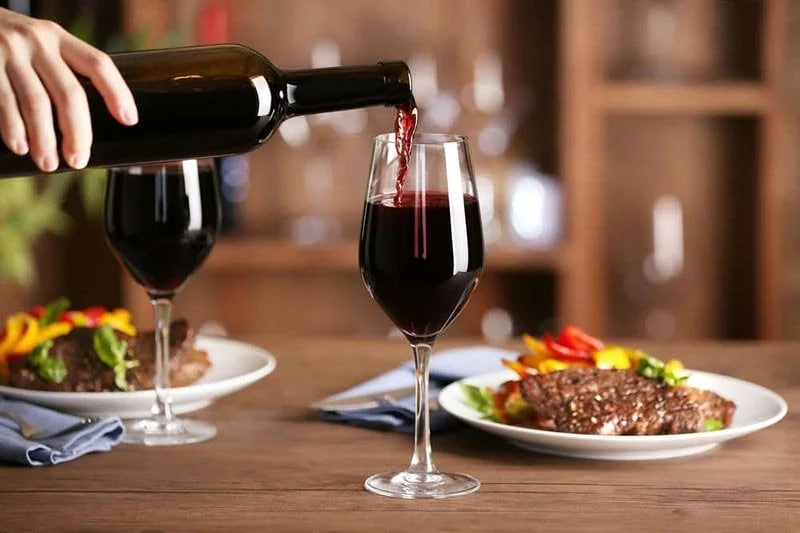
Pair It With: The classic accomplice for a succulent steak, flame-broiled sheep, or a generous hamburger stew. It's too extraordinary with a sharp, mature cheddar cheese.
Read Also:- A Complete Guide to the Best Types of White Wines to Drink
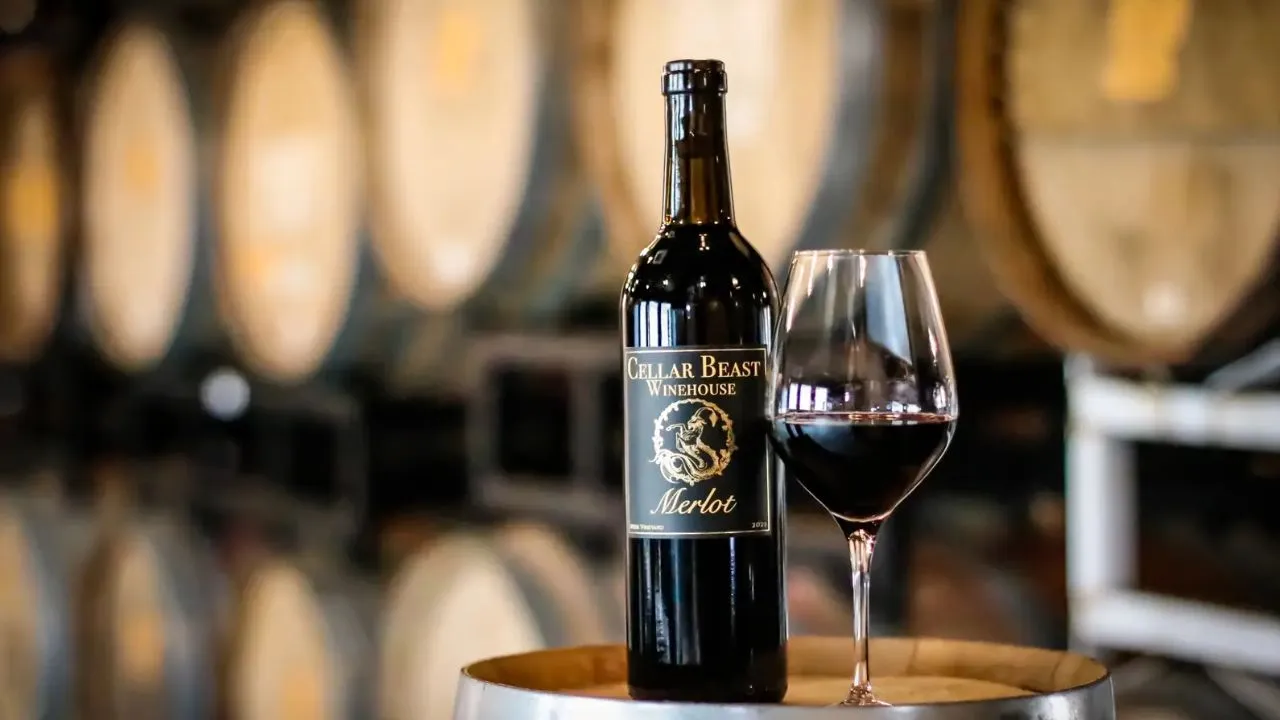
Merlot: The Smooth & Inviting Choice
-
Flavor Profile: Envision ripe plums, blueberries, and a touch of chocolate. It feels delicate and circular, like velvet.
-
Why It Works: Merlot is the inviting neighbor of ruddy wines. It's milder than Cabernet but still has incredible flavor. It won't overwhelm your meal.
-
Pair It With: You can't go off-base. Attempt it with weeknight favorites like simmered chicken, pork chops, pasta with meat sauce, or indeed a gourmet burger.
Pinot Noir: The Light and Flexible Star
-
Flavor Profile: Shinning, ruddy, natural products like strawberry and cherry, regularly with a natural, woodsy note. It's lighter on the tongue.
-
Why It Works: Pinot Noir is like an expressive dance dancer—elegant and light on its feet. Its tall corrosiveness acts like a press of lemon, waking up your palate.
-
Pair It With: Culminate for lighter meats. Appreciate it with broiled turkey, duck, salmon, or mushroom dishes. It's the official wine of Thanksgiving for a reason!
Syrah/Shiraz: The Striking and Zesty Option
-
Flavor Profile: A burst of blueberry and blackberry, with an energizing kick of dark pepper or smoked meat.
-
Why It Works: This wine brings enormous flavor. It can stand up to dishes that are as striking and smoky as they are fair.
-
Pair It With: Bring it to the grill. It cherishes smoked ribs, zesty sheep frankfurters, braised meats, and anything with a char from the grill.
Sangiovese: The Italian Nourishment Specialist
-
Flavor Profile: Tart cherry, sun-dried tomato, and dried herbs. It makes your mouth water.
-
Why It Works: That mouthwatering sharpness is its superpower. It cuts right through wealthy tomato sauce and cleanses your palate.
-
Pair It With: Pizza night! Too incredible with any pasta in ruddy sauce, lasagna, or herb-roasted chicken. Think Italian bistro.
Malbec: The Delicious Crowd-Pleaser
-
Flavor Profile: Succulent plum and blackberry, with an indication of cocoa. It's dim, smooth, and satisfying.
-
Why It Works: Malbec is liberal and simple to like. It has a ready natural product flavor without being sweet and delicate tannins that feel friendly.
-
Pair It With: Another barbecue master's choice. Fabulous with steak (particularly with chimichurri sauce), hamburger tacos, or lentil shepherd's pie.
Zinfandel: The Enormous and Jammy American
-
Flavor Profile: Like a jostle of raspberry stick, with a sprinkle of dark pepper and cinnamon. It's high-energy and fun.
-
Why It Works: Zinfandel is strong and unashamed. It matches the escalation of enormous, insolent, American-style dishes.
-
Pair It With: Pulled pork sandwiches, bacon cheeseburgers, BBQ chicken pizza, or anything with a sweet-and-spicy glaze.
Read More- Best Fortified Wine Brands for Beginners
Basic Rules for Culminating a Dry, Ruddy Wine Supper Pairing
You do not require to be a master. Fair, keep in mind these three simple rules when choosing your dry red wine types for dinner pairing.
Rule 1: Coordinate the Weight.
Is your nourishment light or overwhelming? Coordinate it with a wine of comparative "weight."
-
Light Nourishment (Chicken, Angel, Veggies): Select a light wine like Pinot Noir.
-
Heavy Nourishment (Steak, Stew, Cook): Select an overwhelming wine like Cabernet Sauvignon or Syrah.
Rule 2: Causticity Adores Fat and Salt.
A wine with great corrosiveness (like Sangiovese) makes your mouth water. This cuts through greasy or salty nourishment (like cheese or fricasseed chicken) and makes you prepared for another chomp. It's refreshing!
Rule 3: Tannins Require Protein.
Remember the drying feeling? Those tannins in wines like Cabernet tie to protein and fat. This mollifies the wine and makes the meat taste indeed juicier. It's an idealized partnership.
Pro-Tip: When in question, think around the sauce or flavoring. A rich peppercorn sauce sets in an unexpected way compared to a tart tomato sauce. The wine ought to work with the most grounded flavor on your plate.
Putting It All Together for an Important Meal
The best way to learn is to taste. Begin with one of the classic sets from this guide.
-
Having spaghetti? Get a Sangiovese.
-
Grilling steaks? Select a Cabernet or Malbec.
-
Making cooked chicken? A Pinot Noir or Merlot will be lovely.
Pour a glass, take a nibble, and see how they alter each other. Keep notes on what you like. Serve your ruby wine marginally cool (around 60°F / 15°C) to keep it tasting fresh.
Most imperatively, have fun with it. The extreme dry, ruddy wine supper matching is all about sharing, disclosure, and satisfaction. Here's to your following tasty supper!