You know that moment when you crack open a bottle of organic wine and it just hits different? Cleaner, earthier, like the vineyard's whispering secrets right into your glass. I've stomped grapes in the dirt, watched ferments bubble under moonlight, and yeah, it's messy but magic. Organic winemaking ditches the lab stuff—pure nature from soil to sip. If you're new to this, don't sweat it. We'll break it down easy, step by step, with tricks I've picked up over seasons of trial, sweat, and a few ruined batches. Grab a glass, and let's get into how those grapes become your next favorite organic winemaking process explained for beginners.
Starting with Healthy Soil
Soil's where it all kicks off, man. Before a single vine goes in, you gotta get your hands dirty testing that ground. Dig a hole, grab samples from different spots, and check for the good stuff: nitrogen for growth, phosphorus for roots, potassium for flavor punch. pH should hover around 6 to 7—too low, your grapes turn sour; too high, they starve. Look for worms crawling, fungi threads, all that alive jazz. Dead soil makes weak wine.
Me? I haul in compost by the truckload—leftover pomace from presses, cow patties aged just right, green clippings. Spread it thick, let it rot in over winter. Then sow cover crops: crimson clover sucks up nitrogen from air, rye chokes weeds, vetch holds the hill from washing away. Mow 'em high, then plow under. Soil turns black, fluffy, smells like rain forest floor.
Home hack: Your backyard? Mix kitchen scraps—veggie peels, coffee grounds—no meat. Layer with leaves, turn monthly. Test kit from hardware store tells truths. Organic rules say three years clean before label, but trust builds faster with honest dirt. Plant hedges like elderberry for wind blocks; they double as snacks. Rain gauge on post tracks every drop—adjust covers if floods loom. Vines rooted here pull minerals deep, giving wine that mineral zip, like licking river rocks. Skimp here, regret later.
Key Takeaway: Soil's your secret weapon—feed it real, watch vines explode.
Read Also: Prisoner Winemaker New Wine: A Bold Chapter in Winemaking
Picking the Perfect Grape Varieties
Grapes ain't one-size-fits-all; pick wrong, and you're fighting uphill. Scout your spot: south slope for heat-lovers, north for chill fans. Cabernet? Give it sun-baked hills, it'll spit bold blackcurrant bombs. Chardonnay chills in fog pockets, spits green apple zingers.
Nurseries ship clean stock—organic babies, no tweaks. Plant spring, rows 7 feet wide, vines 4 feet apart. Wire 'em up quick: guyot style for reds, cane for whites. Sun hits fruit zone, air zips through—no rot party.
Quick picker-upper table on faves:
| Grape | Spot It Loves | What It Tastes Like | Tough Guy Trait |
|---|---|---|---|
| Pinot Noir | Foggy valleys | Red cherry, forest floor | Dodges mildew easy |
| Sauv Blanc | Dry sunny ridges | Grass, lime, gooseberry | Grows like weed |
| Syrah | Scorched plains | Smoke, blueberry jam | Drought champ |
| Grenache | Windy warm flats | Strawberry, spice | Heat wave survivor |
Winter prune: eyes on 4-6 buds, cut ruthless. Energy funnels to fruit, not fluff. Bugs nibble? Ladybugs feast, nematodes dive roots. Graft phylloxera-proof stocks—old school fix.
Test row first year: plant mix, see winners. My first plot, Syrah crushed it through heat waves others wilted. Nail this, half battle won.
Key Takeaway: Right grape for your dirt = easy wins, killer flavors.
Growing Vines the Organic Way
Vines planted, now nurture like kids. Spring buds pop green; summer fattens berries. Water deep, infrequent—drip tape buries under mulch, roots chase down. Surface splash? Weaklings breed.
Bugs crash? Flowers first line: sunflowers pull aphids, then wasps clean up. Mildew fuzz? Milk spray (1 part milk, 9 water) weekly—binds spores dead. Seaweed soak strengthens cell walls. Notebook rules: "June 15, 2 inches rain, aphids low, leaves perky."
Ripen watch: finger grapes, taste sugars climbing 22-25 Brix. Refractometer pocket tool, dead accurate. Cluster thin—pluck half, sun plumps survivors. Like picking your strongest team.
Drought bites? Straw blanket 6 inches thick, shades soil cool. Wet mess? Dirt berms at base, drains rot. Frost sneaks? Fans whirl air, or wet leaves freeze-protect.
Year three, boom—clusters heavy. Daily patrols: sniff must, rub skins. Yellow leaves? Compost tea drench. My rows hummed once balanced; birds stayed away, yields doubled. It's feel over formula.
Key Takeaway: Eyes on, nature hacks—vines reward the watch.
Hands-On Organic Harvest
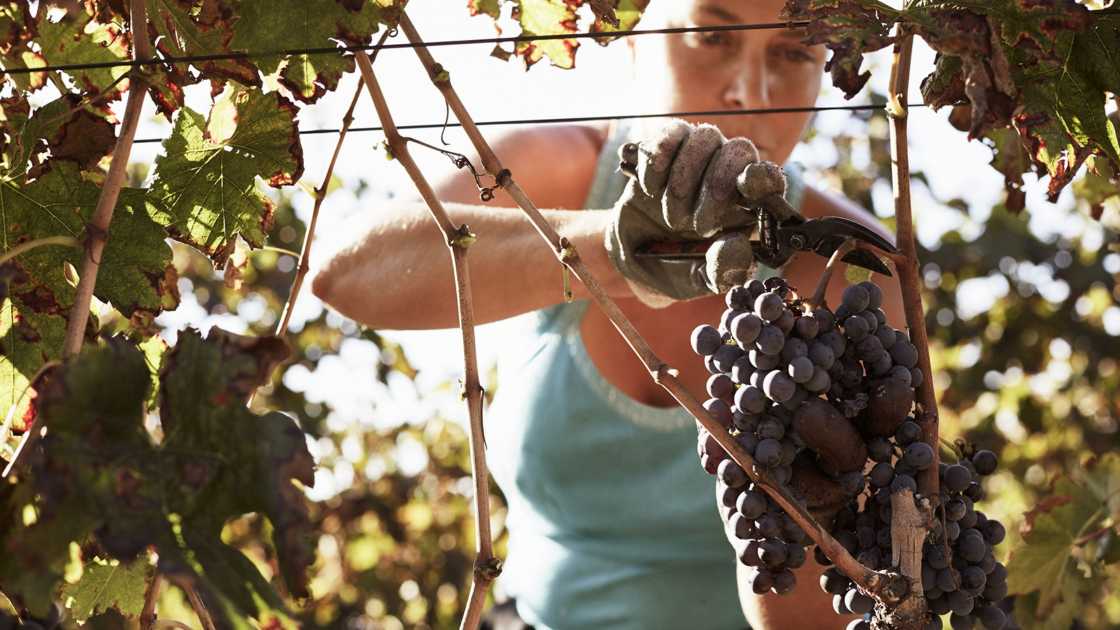
Harvest adrenaline rush—grapes scream ready, skins taut, juice sweet. Dawn raid: clippers snick, buckets fill gentle. Cool hour saves aromatics; heat cooks 'em flat.
Field sort: dump trays, toss bird bites, buggy ones. Whites snip early, reds linger. Cue table:
| Type | Sugar Sweet Spot | Go Time Signals |
|---|---|---|
| White | 21-23 | Translucent glow |
| Red | 24-26 | Seeds rattle brown |
Storm brews? Hustle crews. Nets weeks prior foil beaks; pie tins twirl scare deer. Make merry: picnic baskets, old tunes blasting, kids hauling bins. Press pad dash—vented flats air it out. Foot stomp small lots: rhythm, laughter, pure juice flows. Bladder press for big: slow hug, no seed shatter. Delay kills vibrancy; speed saves souls.
Key Takeaway: Cool hands, fast feet—harvest heart of the organic winemaking process explained for beginners.
Fermentation: Where Magic Happens
Tanks brim, chaos brews. Wild yeasts wake, fizz sugars to booze. Reds skin-soak: punch cap thrice daily, paddle plunges fruit deep. Whites press naked juice, chill settle. Thermometer watch: reds 78°F extract wild, whites 60°F crisp. Hydrometer plunges specific gravity—10 days, dry as bone.
Rack clear off lees sludge. Reds malo next: bacteria butter-up acids, tank warm nudge. Taste frenzy: "This lot's plummy, blend that shy one." Sulfur whisper only, organic dose. Barrel roll monthly, lees stir clouds wine rich. My ferments sang opera—berry to leather overnight. Unpredictable joy.
Key Takeaway: Yeast party, your job referee—pure alchemy unfolds.
Aging and Bottling with Care
Settle time: barrels breathe soul in, tanks hold pure. Used oak whispers vanilla, no green wood bite. Lees dance weekly—whites gain weight, mouthfeel dreams.
- Monthly pulls: pipette taste, jug blend harmony. Fining gentle: clay settles haze natural. Filter whisper-light, soul stays.
- Bottle blitz: steam glass clean, nitrogen shield, cork pop-seal, capsule shrink. Labels tell tales—year, plot, heart.
- Cellar sideways, 55 degrees steady. Reds unfold years; whites peak soon. Carboy home-age, cork friends over.
- Key Takeaway: Rest refines rough edges to silk.
Common Challenges and Fixes
Bumps hit hard—here's my battle scars table:
| Pain Point | Telltale Mess | Backyard Fix |
|---|---|---|
| Drought | Droop city | Mulch fortress, root-deep soak |
| Mildew | Powdery plague | Milk mist, air carve prunes |
| Pests | Holes everywhere | Bug hotel flowers, bird nets |
Apps ping weather wars. Sell stories, not just bottles.
Key Takeaway: Fights forge better brews.
You May Also Like: Organic Wine making Tips for White Wines
Why Go Organic? Taste the Difference
Organic hits visceral—fruits leap, dirt hums, no chem veil. Vines hustle minerals up, antioxidants pack punch. Bees buzz back, soil lives forever. Backyard start: pot trio vines, jug ferment. Blind pours prove it. Lifestyle pour, not product.
Key Takeaway: Real roots, real rewards.
FAQs
What exactly counts as organic in winemaking?
It means zero synthetic pesticides, fertilizers, or GMOs from soil prep to bottling. Everything's certified by inspectors who check records and poke around the farm—no shortcuts, just nature's rules.
How do you tell when grapes are ready to pick organically?
Grab a few, taste the juice for balance—sweet but zingy acid. Check Brix with a pocket refractometer (aim 22-25), skins soft but not mushy, seeds brown and bitter. Walk rows daily end of summer.
How do you fight pests without chemicals in organic vineyards?
Plant trap crops like flowers to lure good bugs that eat the bad ones. Spray neem oil or garlic water early. Net for birds, encourage bats with boxes. Prune open for air—prevention over poison every time.