You are standing in the wine aisle. You see bottles with higher alcohol numbers. You see words like "Port" and "Sherry." You wonder what makes them different from the regular wine you usually buy. This guide explains everything you need to know about fortified wine and regular wine. You will learn how they are made. You will learn how they taste. You will learn which one to pick for your next meal or gathering.
What Is Regular Wine?
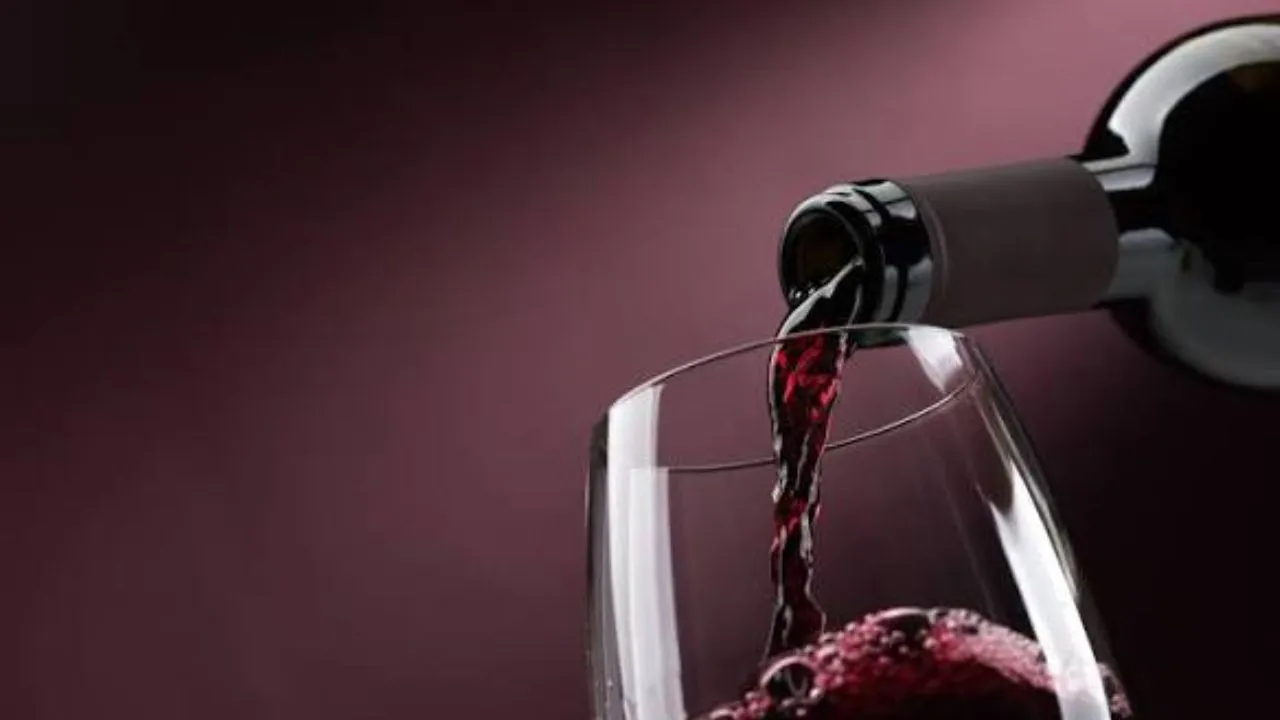
Regular wine is the drink most people know. It comes from fermented fruit juice. That juice usually comes from grapes. Winemakers crush the grapes. They add yeast. The yeast eats the natural sugar in the grapes. This process creates alcohol and fortified wine vs regular wine.
The fermentation stops when the yeast runs out of sugar. Or it stops when the alcohol level gets too high for the yeast to survive. Regular wine has an alcohol level between 7% and 13% . This level depends on the grape type and the winemaking method.
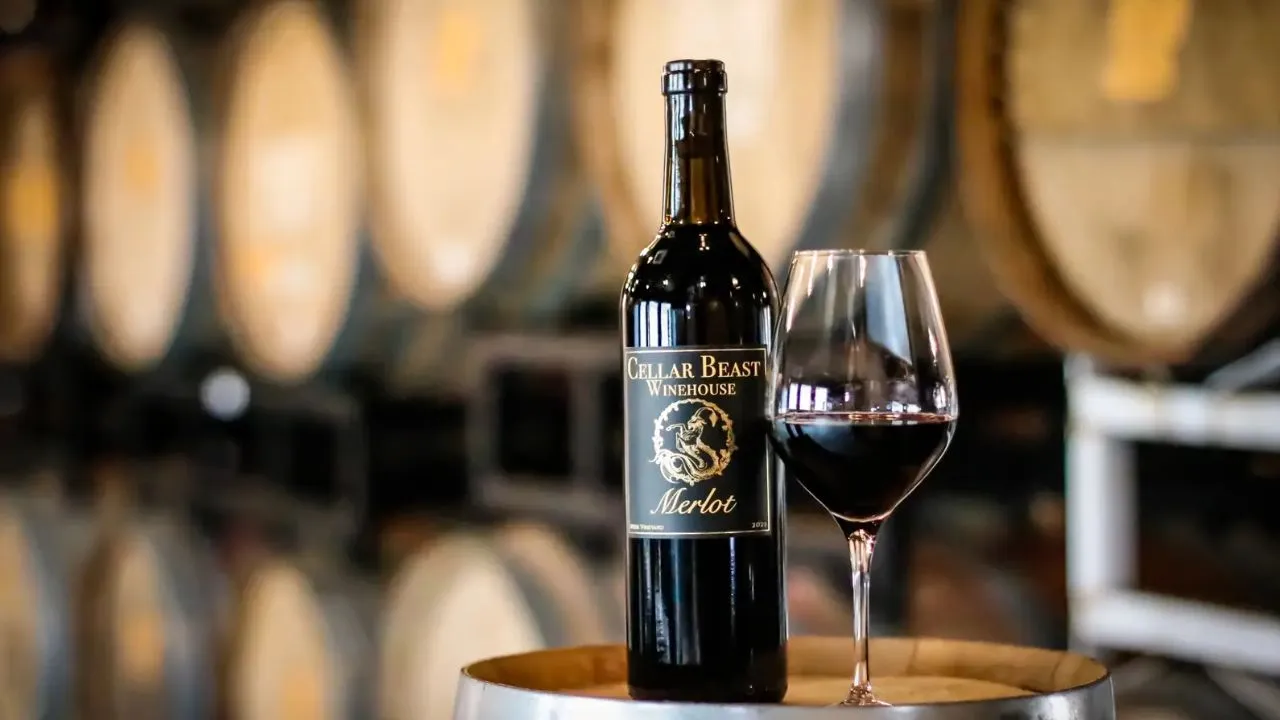
Regular wine includes red wine, white wine, and rosé. It also includes sparkling wines like Champagne. These wines can be dry or sweet. They can be light or full-bodied. But they all share one thing. They only contain alcohol from fermentation. No extra alcohol is added.
Read Also: Easy Sangria Recipe With Red Wine
What Is Fortified Wine?
Fortified wine is different. Winemakers add a distilled spirit to the wine. That spirit is usually grape brandy. This addition changes the wine in important ways.
The word "fortified" means strengthened. The spirit makes the wine stronger. It raises the alcohol level to between 15% and 22% . This is higher than regular wine but lower than straight spirits like vodka or whiskey.
Fortified wine started as a practical solution. Before refrigerators existed, wine would spoil during long sea voyages. Wine casks are not airtight. Air gets in. The wine oxidizes. It turns into vinegar . Adding alcohol stopped this problem. The extra alcohol acted as a preservative. It kept the wine safe during travel.
Today, people drink fortified wine for its taste. They enjoy its richness. They like its complexity. They appreciate its long shelf life after opening.
How Fortified Wine Is Made
The process starts the same as regular wine. Grapes are crushed. Yeast is added. Fermentation begins.
The difference comes during fermentation. Winemakers add grape brandy at a specific time . This timing determines the final style.
Adding Spirit During Fermentation
If winemakers add brandy while fermentation is still happening, the yeast dies. The yeast cannot survive in high alcohol. Fermentation stops. The remaining sugar stays in the wine. This makes the wine sweet.
Port is made this way. The brandy stops the fermentation early. The wine keeps its sweetness. It also keeps its rich, fruity flavors.
Adding Spirit After Fermentation
If winemakers add brandy after fermentation finishes, the wine stays dry. All the sugar has already turned into alcohol. The brandy only adds more alcohol.
Sherry is made this way. The wine ferments completely. Then brandy is added. The result is a dry fortified wine. Some sweet sherries are made by adding sweet grape juice later.
Aging
Most fortified wines are aged in oak barrels . This aging adds flavor. It adds complexity. It changes the color. Some fortified wines age for many years. Vintage ports age in bottles too. The longer the aging, the more layered the taste becomes.
Key Differences Between Fortified And Regular Wine
Here are the main differences you need to know.
Alcohol Content
Regular wine: 7% to 13% alcohol by volume.
Fortified wine: 15% to 22% alcohol by volume .
This difference matters. Fortified wine gives you more warmth. It feels heavier. You drink it in smaller amounts.
Sweetness
Regular wine can be dry or sweet. The sweetness depends on the grape and how long fermentation lasts.
Fortified wine often tastes sweeter. This is because the brandy stops fermentation early. The sugar stays in the wine . Some fortified wines are dry. Sherry and some Madeiras are dry. But sweetness is common in fortified wine vs regular wine.
Shelf Life After Opening
Regular wine goes bad quickly after opening. Oxidation changes the taste. Red wine lasts about three to five days. White wine lasts about two to three days.
Fortified wine lasts much longer. The higher alcohol content protects it. An opened bottle can last three weeks . Some fortified wines last even longer. This makes them great for home bars. You can enjoy a glass without worrying about wasting the rest.
Flavor Profile
Regular wine has fruit flavors. It has acidity. It has tannins in red wines. The flavors come from grapes and oak aging.
Fortified wine has deeper flavors. It tastes richer. It has nutty, caramel, and dried fruit notes. The extra alcohol adds warmth. The aging process adds complexity . The flavor is stronger and more concentrated.
How To Drink Them
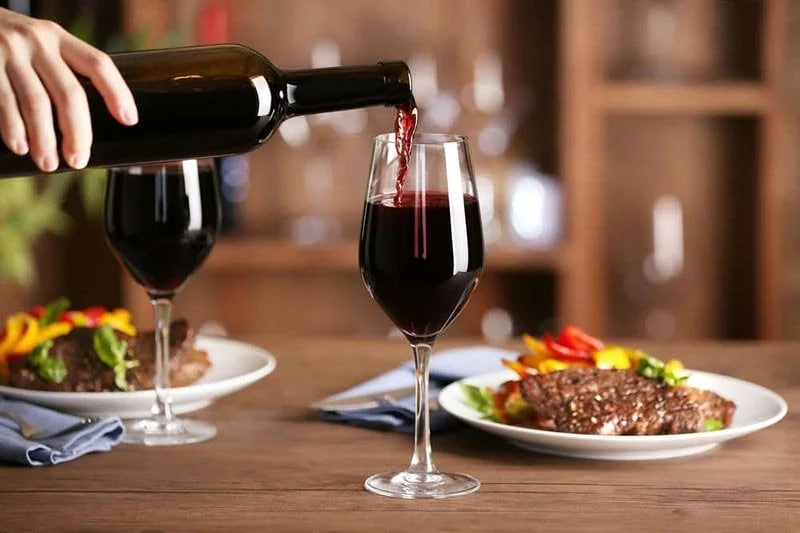
Regular wine is drunk with meals. Red wine pairs with meat. White wine pairs with fish and chicken.
Fortified wine has more uses. Some are drunk before a meal as an aperitif. Dry sherry is good for this. Some are drunk after a meal as a dessert wine. Port is a classic after-dinner drink . Fortified wines also work well in cocktails .
Types Of Fortified Wine
Fortified wine is a broad category. Here are the main types you should know.
Port
Port comes from Portugal. It is sweet and rich. Winemakers add brandy during fermentation. This leaves sugar behind. Port is often drunk with cheese. It pairs well with blue cheese. It also goes with chocolate desserts .
Port has different styles. Ruby port is young and fruity. Tawny port is aged in barrels. It has nutty flavors. Vintage port comes from a single excellent year. It ages in the bottle for many years.
Sherry
Sherry comes from Spain. It is made in the Andalusia region. Sherry can be dry or sweet. Dry sherry is made by adding brandy after fermentation. Sweet sherry is made by adding sweet grape juice later.
Sherry has a unique aging process called solera . Barrels are stacked in tiers. The oldest barrel is never fully emptied. It is topped up with wine from a younger barrel. This continues down the line. The result is a consistent blend of many vintages.
Fino sherry is light and dry. It should be served cold. Oloroso sherry is darker and richer. It pairs well with strong food.
Madeira
Madeira comes from the Portuguese island of Madeira. It is similar to port. But it has a special process. The wine is aged in heated conditions . This can be done with hot water, steam, or even sunlight.
This heating gives Madeira a unique flavor. It tastes nutty and caramelized. It has a slight acidity. Madeira lasts a long time after opening. It almost never goes bad.
You May Also Like: Simple Low Calorie Wine Cocktail Recipes
Vermouth
Vermouth is a fortified wine with added herbs and spices. This makes it an "aromatized" wine . The herbs and spices flavor the wine. This gives vermouth its distinct taste.
Common flavorings include wormwood, gentian root, and orange peel . Vermouth comes in sweet and dry styles. It is most often used in cocktails. Martinis and Manhattans use vermouth. It can also be drunk on its own with ice.
Marsala
Marsala comes from Sicily. It is similar to sherry. It comes in sweet and dry styles. Marsala is often used in cooking. Chicken marsala is a famous dish. It can also be drunk as a dessert wine.
Food Pairing Guide
Fortified wines pair well with food. The pairing depends on the style. Here is a simple guide.
Dry Fortified Wines
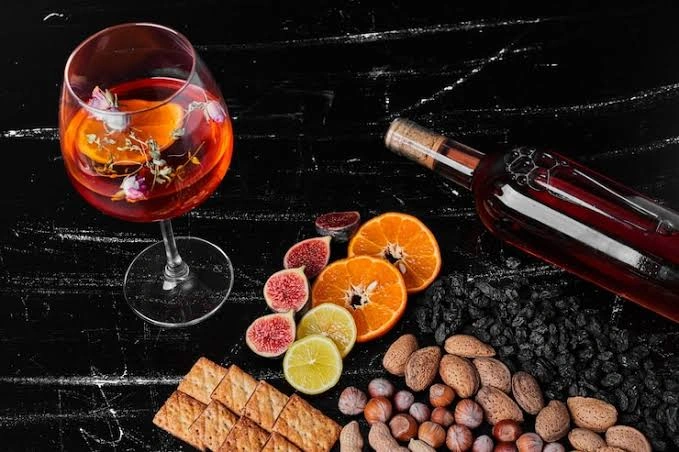
Dry sherry like fino pairs with salty foods. Olives are a perfect match. Anchovies work well too. Almonds are another good choice . Dry sherry also goes with seafood. It is a great summer drink.
Sweet Fortified Wines
Sweet port pairs with cheese. Blue cheese is a classic match. Stilton and roquefort work especially well. Port also pairs with chocolate desserts. It goes with dried fruits and nuts.
Oloroso sherry is also sweet. It pairs with caramel desserts. Crème caramel is a good choice. Chocolate cake works too .
General Pairing Tips
Fortified wines can be drunk at many times. Dry styles work as aperitifs. They prepare your appetite for a meal. Sweet styles work as dessert wines. They finish the meal.
Some fortified wines can replace regular wine with a meal. But the higher alcohol changes the experience. Drink them slowly. Appreciate their richness.
Serving Recommendations
Temperature
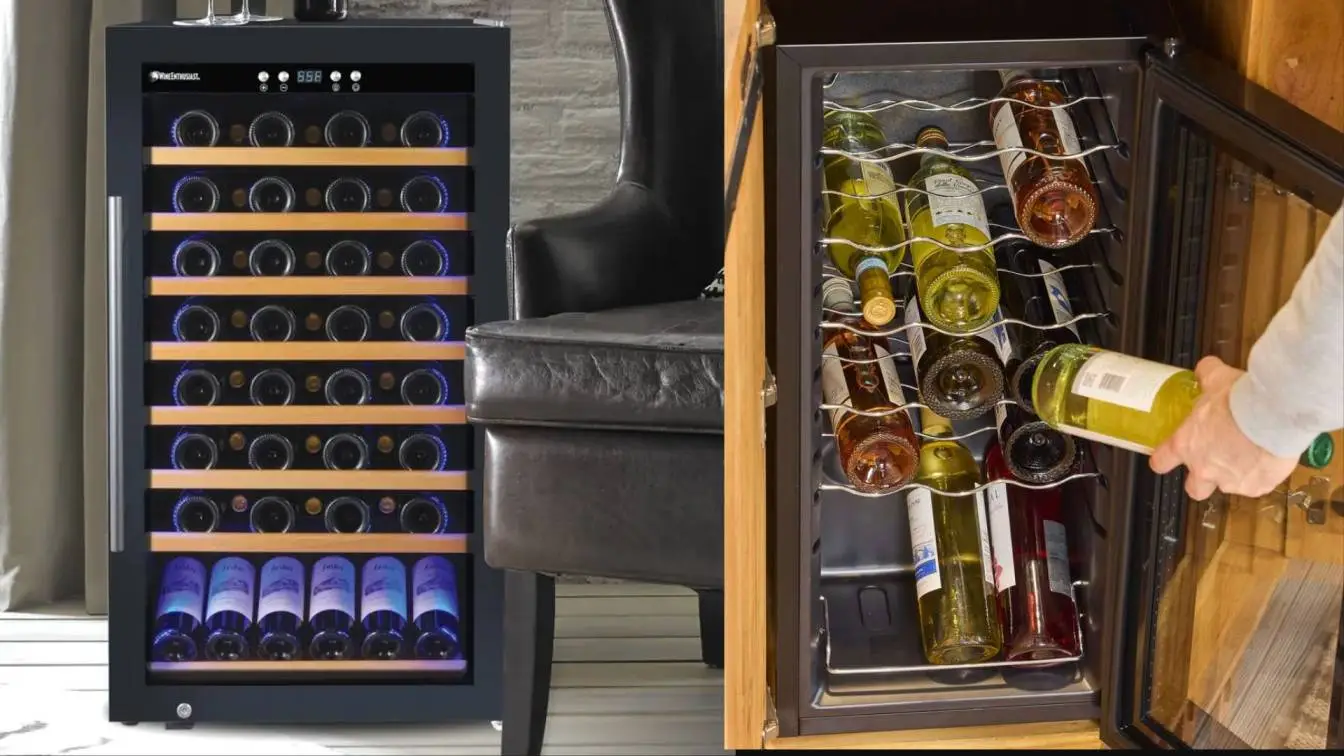
Temperature matters for fortified wines. Most are best around 60°F (15.5°C). Dry styles should be slightly cooler. About 55°F (12.8°C) is good. Sweet styles can be warmer. About 65°F (18°C) works well .
Glassware
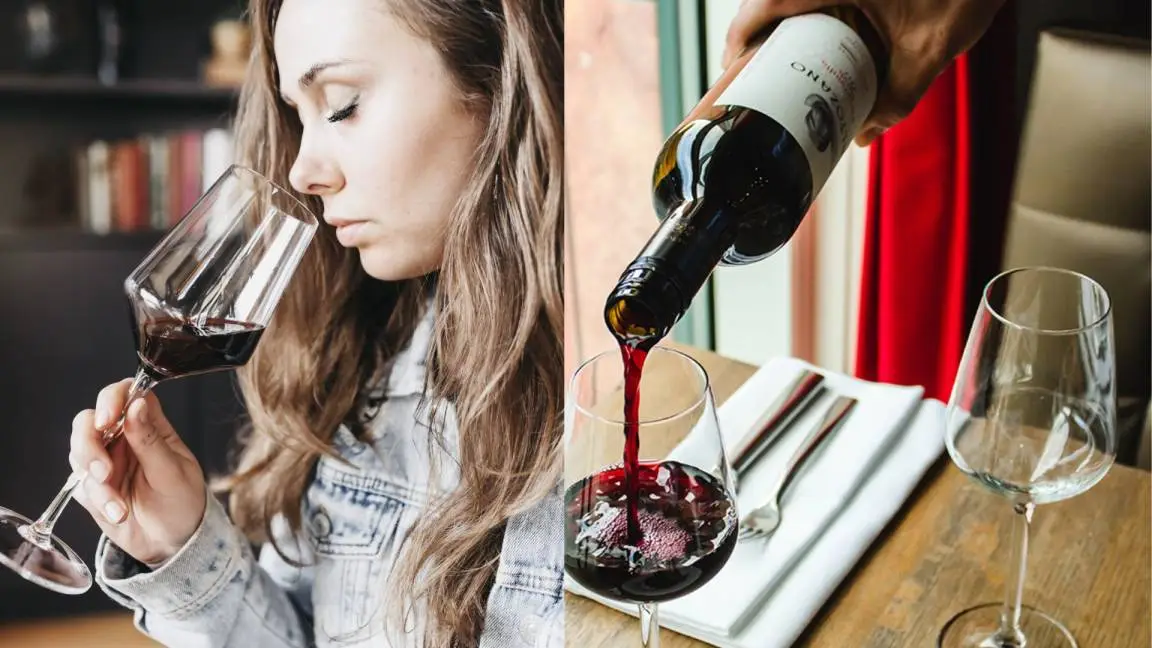
Fortified wines are usually served in smaller glasses. This is because the alcohol is higher. But some producers recommend regular wine glasses. Larger glasses let you smell the aromas better . A standard wine glass works for most styles.
Cooking With Fortified Wine
Fortified wine is great for cooking. Its stronger flavor adds depth to dishes.
Deglazing Pans
After cooking meat, pour fortified wine into the hot pan. The wine lifts the browned bits off the bottom. This creates a flavorful sauce. Marsala and sherry are good for this.
Adding To Sauces
Fortified wine enhances sauces. A splash of port can enrich a gravy. A bit of Madeira can lift a mushroom sauce. The wine's sweetness and depth improve the dish.
Marinades
Fortified wine works as a marinade. Its acidity and flavor penetrate meat. It tenderizes and adds taste. Sherry is common in Asian marinades.
Substitutions
Can you use regular wine instead of fortified wine in a recipe? Yes, but the result changes. Fortified wine has more flavor and sweetness. Regular wine is less concentrated. If you substitute regular wine, add some sugar. Add some extra seasoning too.
Can you use fortified wine instead of regular wine? This depends on the dish. Fortified wine has a stronger taste. It may overpower delicate dishes. Use it carefully. It works best in rich, savory recipes.
Which One Should You Buy?
Your choice depends on your needs. Here is a simple guide.
Choose Regular Wine If
- You want a drink with meals.
- You prefer lower alcohol.
- You want a bottle for a single evening.
- You like simple, fresh fruit flavors.
- You are trying wines for the first time.
Choose Fortified Wine If
- You want a drink to sip slowly.
- You enjoy richer, more complex flavors.
- You want a bottle that lasts after opening.
- You like pairing wine with cheese.
- You want an aperitif or digestif.
- You enjoy cooking with wine that has strong flavor.
Frequently Asked Questions
What makes a wine fortified?
A wine becomes fortified when a distilled spirit, usually grape brandy, is added to it. This raises the alcohol level and often leaves some sugar behind.
Is fortified wine stronger than regular wine?
Yes. Fortified wine has 15% to 22% alcohol. Regular wine has 7% to 13% alcohol. The brandy added during production makes the difference.
Why was fortified wine invented?
It was invented to preserve wine during travel. Before refrigerators, wine spoiled during long sea voyages. The extra alcohol kept it from turning into vinegar .
Can I drink fortified wine with dinner?
Yes. Dry styles work well as aperitifs before a meal. Sweet styles work as dessert drinks after a meal. Some fortified wines can be drunk during a meal. But the higher alcohol is better suited for slow sipping.
How long does an opened bottle of fortified wine last?
An opened bottle lasts about three weeks. Some styles last even longer. This is much longer than regular wine, which lasts only a few days .
Is all fortified wine sweet?
No. Some fortified wines are dry. Sherry and some Madeiras are dry. The sweetness depends on when the brandy is added during production. Adding it early stops fermentation and leaves sugar. Adding it later creates a dry wine.
Final Thoughts
Fortified wine and regular wine are different. Regular wine comes from fermentation alone. It has lower alcohol and fresh flavors. Fortified wine has added spirits. It has higher alcohol and richer flavors.
Fortified wine lasts longer after opening. It offers more versatility. You can drink it before a meal, after a meal, or with a meal. You can cook with it. You can add it to cocktails.
Regular wine is perfect for everyday drinking. It pairs with food. It offers a wide range of styles. It suits most occasions.