If you have ever stood in the wine aisle staring at a wall of pale bottles, you are not alone. White wine can feel confusing at first because the labels use words that do not explain much. You see names like Chardonnay, Riesling, and Pinot Grigio, but nothing tells you whether the wine inside will taste crisp or sweet, light or types of white wine for beginners.
Here is the good news: you do not need to memorize hundreds of grape names or learn wine vocabulary to find a white wine you enjoy. Almost every beginner-friendly white wine fits into just a few clear styles. Once you understand those styles, choosing a bottle becomes much simpler.
This guide walks you through the most common types of white wine, explains what each one tastes like in plain language, and helps you figure out which one to try first.
The One Thing to Understand Before You Pick a Bottle
Before we talk about specific wines, you need to know one idea that changes everything: sweetness.
White wines sit on a line from bone-dry to sweet. This matters more than the grape name on the label. A dry wine has no noticeable sugar left after fermentation. A sweet wine keeps some of the grape's natural sugar, so it tastes noticeably sweet.
Many people who say they do not like white wine have only tried one style and assumed all white wine tastes the same. A person who dislikes a sweet Moscato might love a crisp Sauvignon Blanc. Someone who finds Pinot Grigio boring might enjoy a rich, buttery Chardonnay.
So as you read about each type below, pay attention to where it falls on the dry-to-sweet line. That single detail will tell you more about whether you will like a wine than any fancy description.
Read Also: Best Types Of White Wine For Summer Parties
Pinot Grigio: The Light and Easy Starting Point
Pinot Grigio is one of the most approachable white wines for beginners, and for good reason. It is light, crisp, and rarely overpowering.
Imagine biting into a cold green apple or a slice of pear. That freshness is what Pinot Grigio tastes like. You might also notice a clean, almost mineral finish that makes the wine feel refreshing rather than heavy.
This wine comes from Italy most often, where it is made in a lean, crisp style. The same grape grown in France or Oregon is called Pinot Gris, and those versions tend to be a bit rounder and softer in texture. For a first bottle, look for an Italian Pinot Grigio from the Delle Venezie region. It will be light, affordable, and consistent.
Pinot Grigio works well when you want something simple to sip before dinner or alongside a light meal. It pairs nicely with salads, seafood, and fresh cheeses because it does not compete with the food.
If you normally drink water with lemon or unsweetened iced tea, this is probably your safest first white wine.
Sauvignon Blanc: Bold, Bright, and Memorable
Where Pinot Grigio is gentle, Sauvignon Blanc announces itself. This wine has a personality that you will either love immediately or find too intense.
The flavors in Sauvignon Blanc are vivid. Think grapefruit, lime, and freshly cut grass. Some versions have a hint of green bell pepper or gooseberry. That green, herbal quality is what makes Sauvignon Blanc so recognizable. You will not confuse it with any other wine.
The most famous style comes from New Zealand, where the wine is packed with tropical fruit and citrus. French Sauvignon Blanc from the Loire Valley, including Sancerre, is more restrained and mineral-driven. Both are worth trying, but they taste quite different.
This wine works best with food that has some acidity or brightness of its own. It is a classic match for goat cheese, salads with citrus dressing, and seafood. Many people find it especially good with oysters, though that pairing is not for everyone.
If you enjoy drinks with a tart, zesty kick, Sauvignon Blanc might become your favorite.
Riesling: The Most Misunderstood White Wine
Ask a group of people about Riesling and you will hear strong opinions. Some will say it is always sweet. Others will insist it can be bone-dry. Both are correct, and that is exactly what makes Riesling confusing for beginners.
Riesling is a grape that can be made in almost any style, from very dry to very sweet. In Germany, where Riesling is most famous, dry versions are actually more common than sweet ones today. The confusion comes from labeling. German wine labels use terms like "trocken" for dry, "halbtrocken" or "feinherb" for off-dry, and "Kabinett" or "Spätlese" for wines with some sweetness.
Here is a practical trick: check the alcohol percentage on the bottle. Wines with 11.5% alcohol or higher tend to be dry. Wines under 11% alcohol usually have noticeable sweetness. This works for Riesling from anywhere in the world.
What does Riesling taste like when it is dry? Think of lime, green apple, and sometimes a stony mineral quality. Sweet versions add flavors of peach, apricot, and honey. Either way, Riesling has high acidity that keeps it from tasting heavy or syrupy.
Riesling pairs well with spicy food because the slight sweetness can cool down heat. It also works with Asian dishes, pork, and rich sauces.
Chardonnay: Two Very Different Wines in One Name
Chardonnay is the most widely planted white grape in the world, and it is also the most varied. The name on the label tells you almost nothing about what the wine will taste like. That is because Chardonnay comes in two main styles, and they are very different.
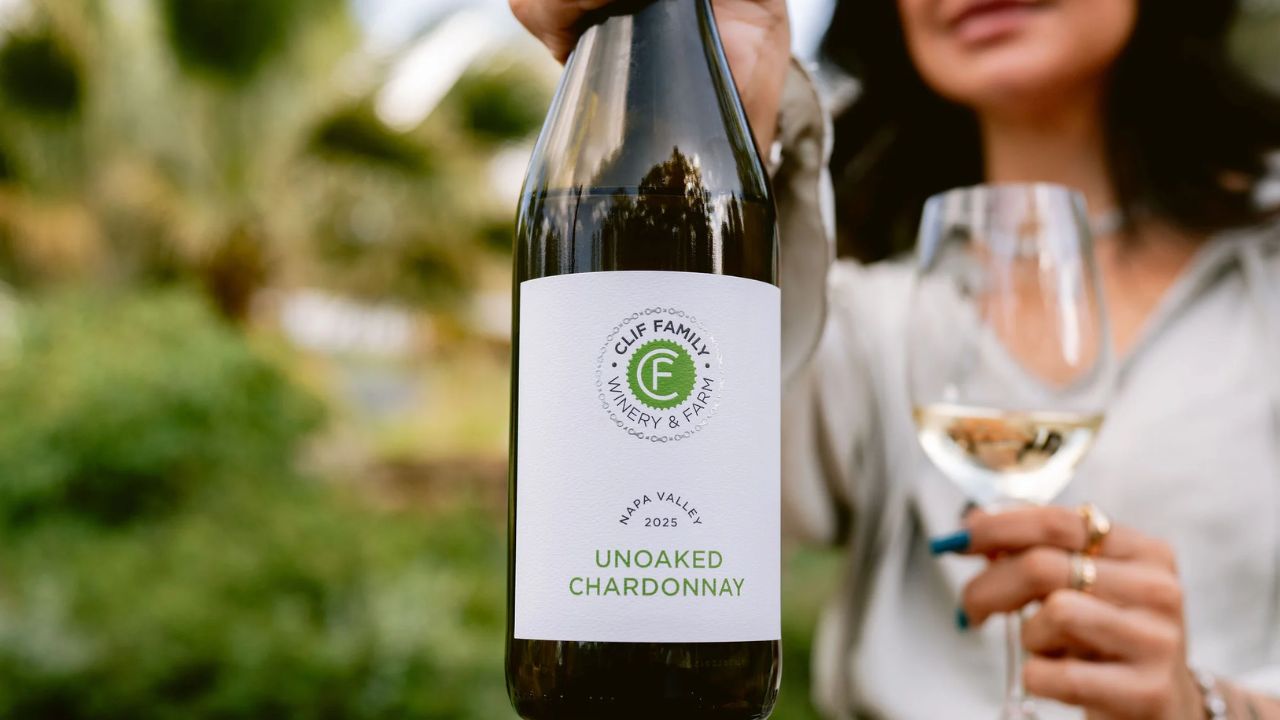
Unoaked Chardonnay is made in stainless steel tanks. It tastes clean and fresh, with flavors of green apple, lemon, and pear. The fruit comes through clearly. If you want to know what the Chardonnay grape actually tastes like, this is the version to try. Chablis from France is a classic example of this style.
Oaked Chardonnay is aged in oak barrels. This adds flavors of vanilla, toast, and butter. The wine becomes richer, creamier, and fuller in your mouth. Some people love this style. Others find it too heavy. If you have heard someone say they hate Chardonnay, they probably tried an oaked version and did not enjoy the buttery, oaky flavors.
For beginners, an unoaked Chardonnay is usually the better starting point because the fruit flavors are easier to understand. Once you know you like the grape itself, you can try an oaked version to see if the added richness appeals to you.
Oaked Chardonnay pairs well with creamy dishes like lobster bisque or chicken with mushroom sauce. Unoaked Chardonnay works with lighter fare, similar to Pinot Grigio.
Moscato: Sweet, Light, and Friendly
Moscato is the wine to choose if you already know you like sweet drinks. It tastes like peaches, orange blossoms, and honey, often with a slight fizz that makes it feel playful.
This wine is noticeably sweet. That sweetness comes from sugar that remains after fermentation. Moscato is also low in alcohol, usually around 5% to 7%, so it feels lighter than most wines.
Some wine enthusiasts look down on Moscato because it is so sweet and simple. That attitude is unfair. If you enjoy it, that is all that matters. Moscato is an excellent choice for brunch, fruit-based desserts, or any time you want something easy and refreshing.
One thing to know: Moscato is not a wine you drink with a steak dinner. It works best on its own or with light, sweet foods. Serve it very cold.
Albariño: A Lesser-Known Wine Worth Trying
Albariño comes from northwestern Spain, and it deserves more attention than it gets. It tastes like peach, apricot, and citrus, with a distinct salty minerality that makes it feel like a day at the beach.
This wine is crisp and refreshing, similar to Pinot Grigio but with more flavor intensity. It is almost never aged in oak, so the fruit stays bright and clean. You do not need to worry about aging it. Just chill it and drink it young.
If you have tried Pinot Grigio and found it a little boring, Albariño is a natural next step. It has the same easy-drinking quality but more character.
Albariño pairs beautifully with seafood, especially shellfish. The salty mineral note in the wine echoes the brininess of fresh oysters or shrimp.
You May Also Like: What Type of Wine Is Riesling?
How to Serve White Wine So It Tastes Right?
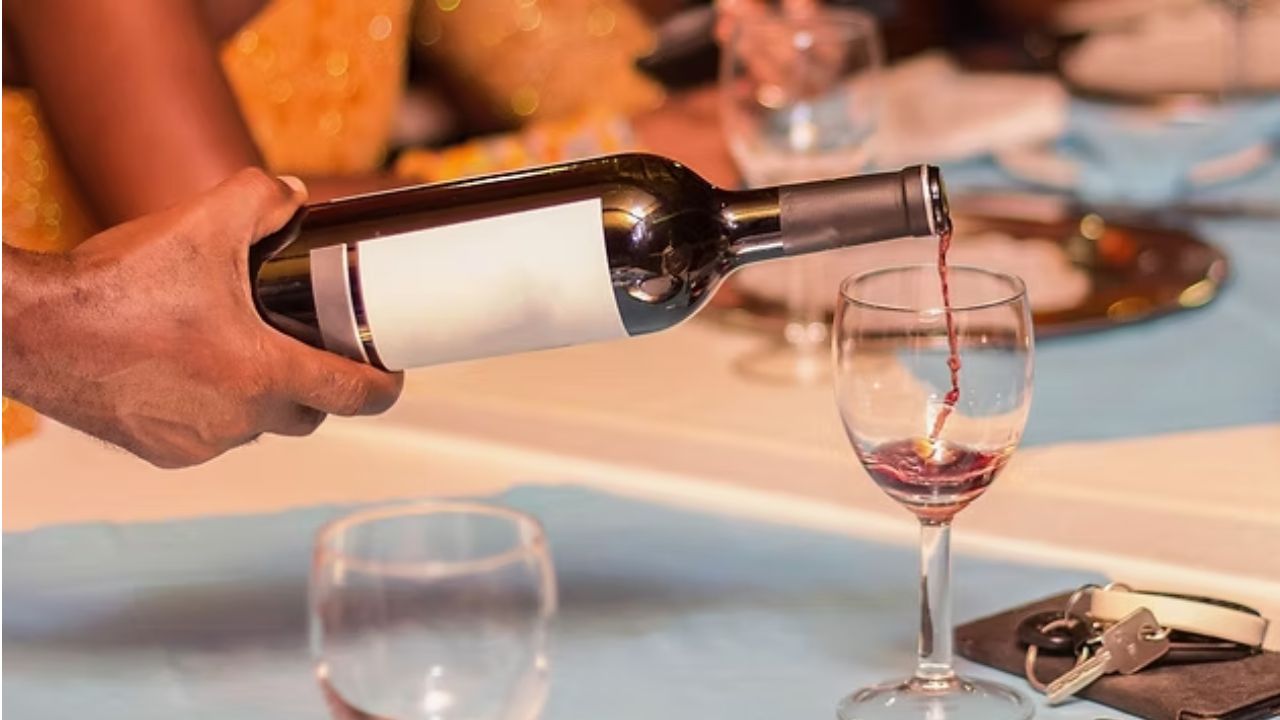
You can buy a great bottle of white wine and ruin it by serving it too cold or too warm. Temperature changes how you taste the wine.
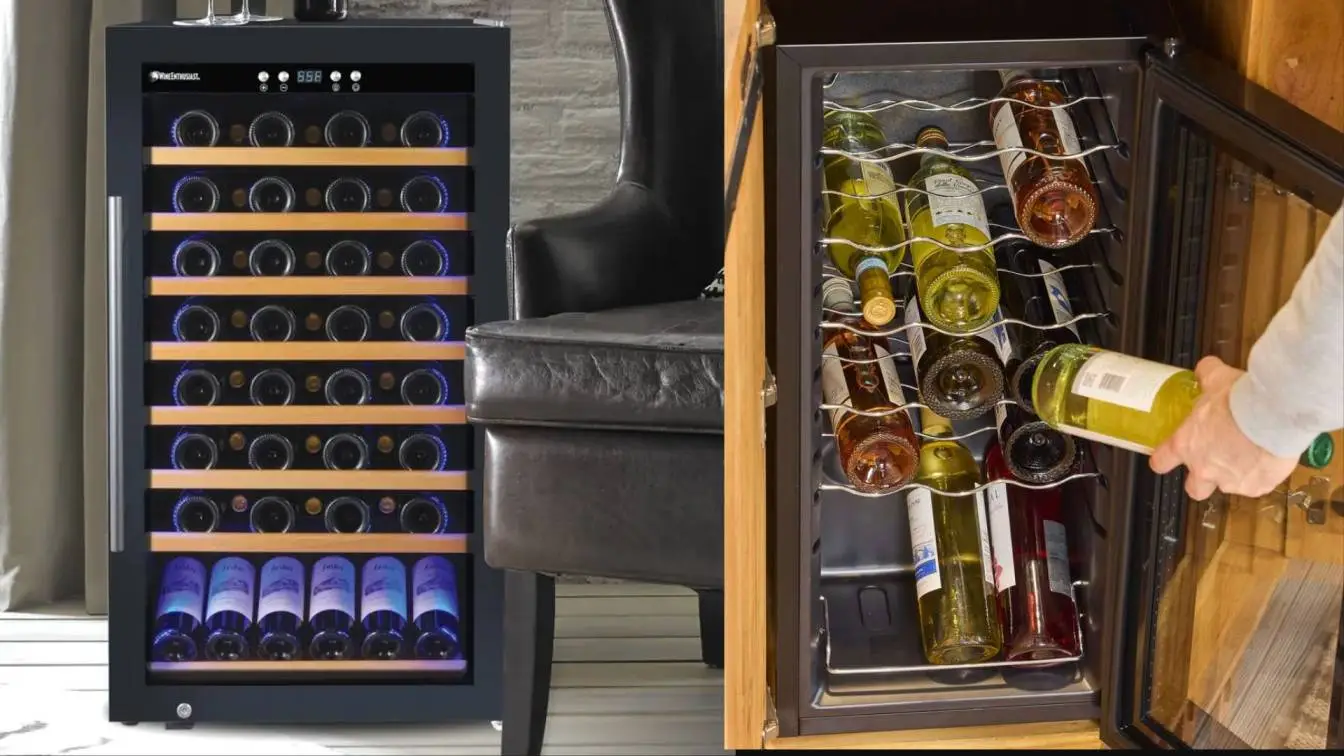
Most white wines taste best between 6°C and 10°C (about 43°F to 50°F). That is colder than room temperature but not ice-cold. If you take a bottle straight from the refrigerator, let it sit on the counter for about 30 minutes before pouring.
Why does this matter? When white wine is too cold, the flavors and aromas hide. You taste less fruit and more acidity. The wine seems thin and sharp. As it warms slightly, the flavors open up and the wine feels more balanced.
Fuller-bodied whites like oaked Chardonnay can be served a little warmer, around 10°C to 12°C. Light, crisp wines like Pinot Grigio and Sauvignon Blanc are best quite cold.
If you do not have a thermometer, do not worry. The simple rule is this: white wine should feel cold and refreshing, but not so cold that it numbs your tongue and types of white wine for beginners.
A Simple Tasting Order for Beginners
If you want to learn what you like, try a few wines side by side. This teaches you more in one evening than reading about wine for a month.
Start with a light, crisp wine like Pinot Grigio. Notice how clean and subtle it tastes. Then move to Sauvignon Blanc. The jump in flavor intensity will be obvious. Next, try a dry Riesling to experience high acidity with a different fruit profile. Finish with an unoaked Chardonnay to see how a fuller white wine feels in your mouth.
Do not worry about getting the "right" answer. The goal is simply to notice differences. You might discover you prefer light wines or that you actually enjoy the richness of a fuller style. Either outcome is useful.
Final Thoughts
The world of white wine is wide, but you do not need to explore it all at once. Start with one style that sounds appealing based on the descriptions above. If you like crisp and refreshing, try Pinot Grigio. If you want something bolder, go for Sauvignon Blanc. If sweet sounds good, Moscato is waiting.
The best white wine for you is the one you actually enjoy drinking. Ignore anyone who tells you a certain wine is "better" than another. Taste is personal, and the only way to find your favorites is to try a few bottles and pay attention to what you like.