
I learned this lesson the hard way. A few years back I made a big pot of chili verde for some friends. I pulled out a fancy bottle of Cabernet that I had been saving. Big mistake. Every sip burned my mouth worse than the peppers did. The wine tasted bitter and harsh. It was like swallowing fire. My friends were polite but nobody finished their wine pairing with spicy mexican food.
That night I started paying attention to what actually works. Since then I have tested a lot of combinations. Some were great. Some were terrible. Here is what I figured out.
Why Most People Get This Wrong?

Here is the thing about spicy food. It changes how your mouth works. The capsaicin in chili peppers attaches to your pain receptors. That is why your tongue feels like it is on fire. When you drink a wine with high alcohol, that alcohol makes the capsaicin dissolve faster. It spreads the heat all over your mouth. This makes the spice feel way worse than it actually is.
I see people do this all the time. They order a big bold red wine with their enchiladas and then wonder why their mouth is burning. The wine is making it worse. Not better.
The trick is to do the opposite. You want a wine that cools things down. Wines that are cold. Wines that have a little sugar. Wines that do not have too much alcohol. The sugar is the real hero here. Even a tiny bit of sweetness will calm down the heat from the peppers. I cannot tell you how many times I have watched someone take a sip of slightly sweet wine after a spicy bite and watch their face relax.
Read Also: Best Wines For Outdoor Summer Parties
The Rules That Actually Matter
I am not a sommelier. I am just a person who likes good food and good wine. Over the years I have come up with a few rules that work every time.
Rule one. Sweetness beats heat. This is the number one thing to remember. If the dish is really spicy, go for a wine that is a little sweet. It does not have to be dessert sweet. Just a hint of sugar. Off-dry Riesling is perfect for this. Moscato works too. Do not overthink it.
Rule two. Look at the meat. White meat like chicken or fish usually wants white wine. Red meat like beef usually wants red wine. This is not a hard rule but it is a good starting point. Pork is tricky. It is white meat but it can handle red wine just fine. I often drink rosé with pork because it sits right in the middle.
Rule three. Heavy food needs heavy wine. A light fish taco cannot stand up to a heavy red wine. The wine will take over and you will not taste the fish. On the other hand, a rich pork carnitas taco needs a wine with some weight. Otherwise the wine just disappears. Match the intensity.
Rule four. Acid cleans your mouth. Wines with good acidity are your best friend with Mexican food. The acid cuts through fat and cheese. It resets your mouth between bites. That is why Sauvignon Blanc works so well. It is bright and fresh. It makes you want another bite.
Rule five. Keep the alcohol down. This one is non-negotiable. Look at the bottle before you buy it. If the alcohol is over 13 percent, it is probably going to make the spice feel hotter. Stick with wines that are 12 or 12.5 percent. Your mouth will thank you.
What to Drink With Different Dishes?
Tacos
Tacos are my favorite food. I could eat them every day. But the wine changes depending on what is inside.
For chicken tacos I grab a Sauvignon Blanc. It has this grassy herb thing going on that matches cilantro perfectly. The lime in the taco and the citrus in the wine are a natural pair. Albariño is another good one. It comes from Spain and it is light and salty. Great with fish tacos too.
For pork tacos like al pastor I go with sparkling rosé. The bubbles do something magical with the richness of the pork. Plus the hint of red fruit works with the pineapple and the spice. It is festive and fun.
For beef tacos I like a lighter red. Lambrusco is great. It is slightly fizzy and a little sweet. That sweetness helps with any heat from the salsa. Garnacha from Spain is another option. It is fruity and soft. No harsh tannins to fight with the spice.
Enchiladas and Tamales
These are heavier dishes. They have masa and cheese and sauce. You need something that can handle all of that.
For enchiladas with red sauce I reach for rosé. But not just any rosé. One made from Tempranillo. It has a little more body than a regular rosé. It can stand up to the sauce without being too heavy.
For tamales I do the same thing. The rosé works with the corn flavor of the masa. It is light enough not to overpower the filling. If the tamale has cheese, the rosé still works. It does not clash.
If you really want red wine with these dishes, go with Sangiovese or Tempranillo. They have moderate tannins. They do not get aggressive with the cheese and the sauce. They just sit there and complement everything.
Carnitas and Al Pastor
These two dishes are similar in a way. They are both rich and porky. They both have strong flavors.
Sparkling rosé is my absolute favorite for these. The bubbles cut through the fat. The acidity cleans your mouth. The slight fruitiness complements the spices. It is a perfect match.
I have also had good luck with sparkling wine that is not rosé. Cava works well. Prosecco works well. The bubbles are the most important part. They reset your mouth after every bite of rich pork.
Ceviche
Ceviche is completely different. It is light and fresh. The fish is cooked in citrus juice. There is cilantro and onion and sometimes chili.
This dish wants a white wine with high acidity. Sauvignon Blanc is the obvious choice. The citrus notes match the lime in the ceviche. The herbaceous quality matches the cilantro. Albariño is also excellent. It has a salty quality that works with the seafood.
I have also tried dry sparkling wine with ceviche and it works great. The bubbles add a nice texture. But stick with white wine if you are not sure.
Dishes With Chipotle
Chipotle peppers have this deep smoky flavor. They also bring a good amount of heat. The smokiness changes everything.
Malbec is a good choice here. It has dark fruit flavors and a smoky note of its own. They kind of mirror each other. Syrah works too. Tempranillo is another option. These red wines have enough body to match the strong flavors.
Just make sure the alcohol is not too high. That is the catch with these red wines. Many Malbecs are over 14 percent. Look for one that is lower. Or try a Spanish Tempranillo which tends to be more moderate.
Mole
Mole is complicated. It has chocolate and chili peppers and nuts and spices. So many things going on at once.
Fruit-forward red wines are the way to go. Zinfandel works well. The jammy fruit notes harmonize with the chocolate and the chili. Barbera is another good choice. It has bright acidity and fruit.
I have also tried Grenache with mole and it was surprisingly good. The key is to avoid wines with too much oak. Oak flavors clash with the complexity of mole. You want fruit, not barrel.
Quesadillas and Cheese Dishes
Cheese is tricky with wine. Some wines just fight with melted cheese.
Tempranillo is a safe bet. It has moderate tannins. The tannins do not clash with the cheese. Sangiovese is similar. Both of these wines are medium-bodied. They do not overwhelm the cheese but they do not disappear either.
If the quesadilla has meat in it, rosé is a good option. It works with both the cheese and the meat. I have done this many times and it always wine pairing with spicy mexican food.
You May Also Like: Best Wines For Keto Diet Low Carb
The Wines You Should Avoid
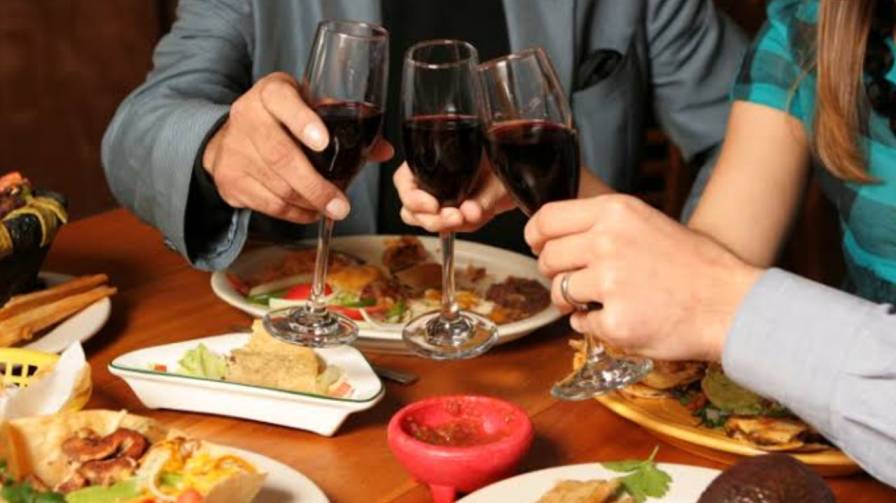
Let me be direct about this. Heavy Cabernet Sauvignon is a disaster with spicy Mexican food. The tannins are too strong. The alcohol is too high. It will make the spice feel like a thousand needles on your tongue. I made this mistake once and I will never do it again.
Oaky Chardonnay is another one to skip. The butter and vanilla flavors from the oak do not match the bright fresh flavors of Mexican food. They clash in a bad way. It just tastes wrong.
Avoid anything with high alcohol. I said this before but it is worth repeating. Look at the label. If it says 14.5 percent or higher, put it back. It will not be a good time.
My Go-To Wines When I Am Not Sure
Sometimes you just want to grab a bottle and not think about it. Here are my safe choices. I have used all of these multiple times and they always work.
Dry Rosé. This is the most versatile wine for Mexican food. It goes with tacos. It goes with enchiladas. It goes with seafood. It is cold and refreshing. It has enough body for meat but it is light enough for fish. If I could only have one wine for Mexican food, this would be it.
Sparkling Wine. Cava from Spain is cheap and good. Prosecco from Italy is another option. The bubbles make everything better. They cut through fried foods. They cleanse your palate. They are fun to drink. Sparkling wine is always a crowd pleaser.
Sauvignon Blanc. This is my go-to for chicken and fish dishes. It is fresh and herbaceous. It matches the cilantro and lime that show up in so many Mexican dishes. It is reliable. I have never been disappointed.
Off-Dry Riesling. If the dish is really spicy, this is what I reach for. The touch of sweetness tames the heat. It is like a fire extinguisher for your mouth. This is the safe choice when you do not know how spicy the food is going to be.
A Quick Reference
For chicken and fish tacos, Sauvignon Blanc or Albariño works best. For pork tacos, sparkling rosé is the way to go. For beef tacos, Lambrusco or Garnacha are good choices. For enchiladas and tamales, Tempranillo rosé is a winner. For carnitas and al pastor, sparkling rosé again. For ceviche, Sauvignon Blanc or Albariño. For mole, Zinfandel or Barbera. For quesadillas, Tempranillo or Sangiovese. For very spicy dishes, off-dry Riesling.
A Few Final Tips
Serve white wines cold. Really cold. Not just cool. Put them in the fridge for a couple of hours. A cold wine helps calm the spice. A warm wine does the opposite.
Serve red wines a little bit chilled. I know this sounds weird. But with spicy food, a slightly chilled red wine is more refreshing. Put it in the fridge for about half an hour before you open it.
Do not be afraid to experiment. Everyone has different tastes. What works for me might not work for you. That is fine. Try different wines and see what you like.
And one more thing. Do not spend a lot of money. There are plenty of good wines for under twenty dollars that work great with Mexican food. Expensive wines are not better for this. They are often worse because they have more tannins and more alcohol.
My Personal Favorites
If you want specific bottles to look for, here are some I buy regularly. For rosé, I like Cune or Muga from Spain. For sparkling, I buy Freixenet Cava. For Sauvignon Blanc, I grab whatever is from New Zealand. For off-dry Riesling, I look for Dr. Loosen. These are all easy to find and not expensive.
I hope this helps you avoid the mistakes I made. There is nothing better than a great meal with a great wine. And there is nothing worse than a great meal with the wrong wine. Trust me on this one. I have been on both sides.