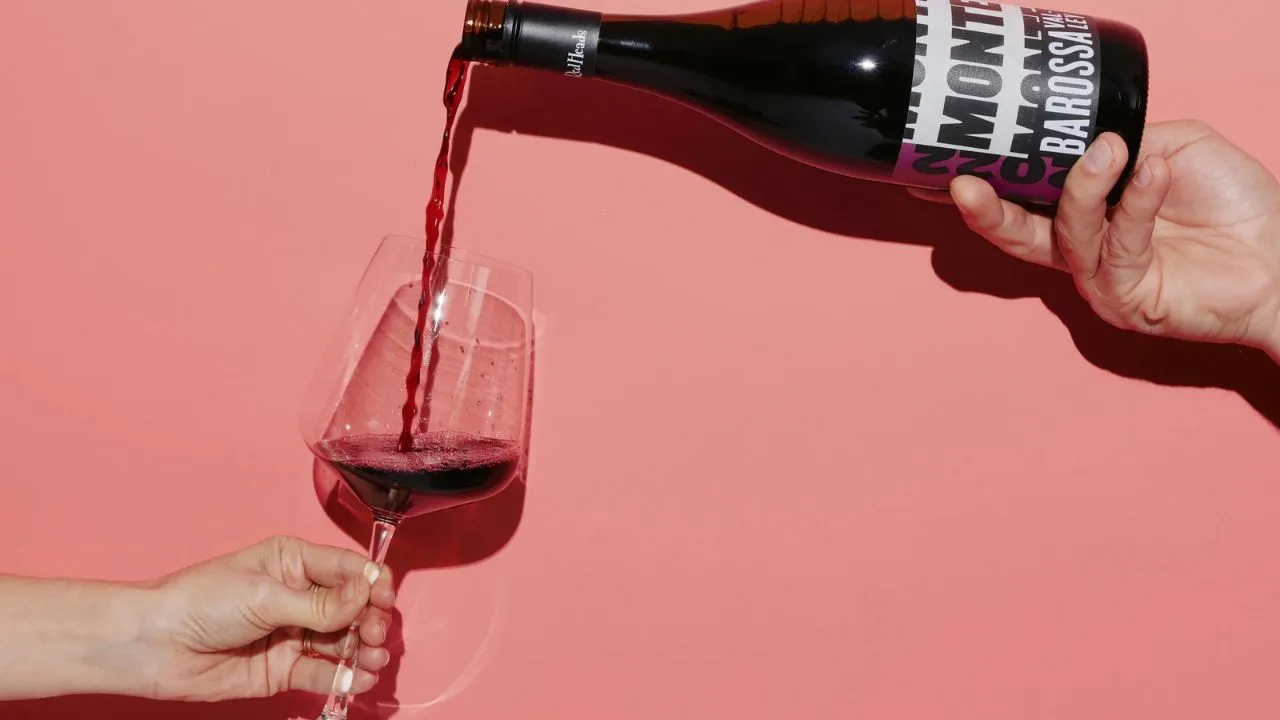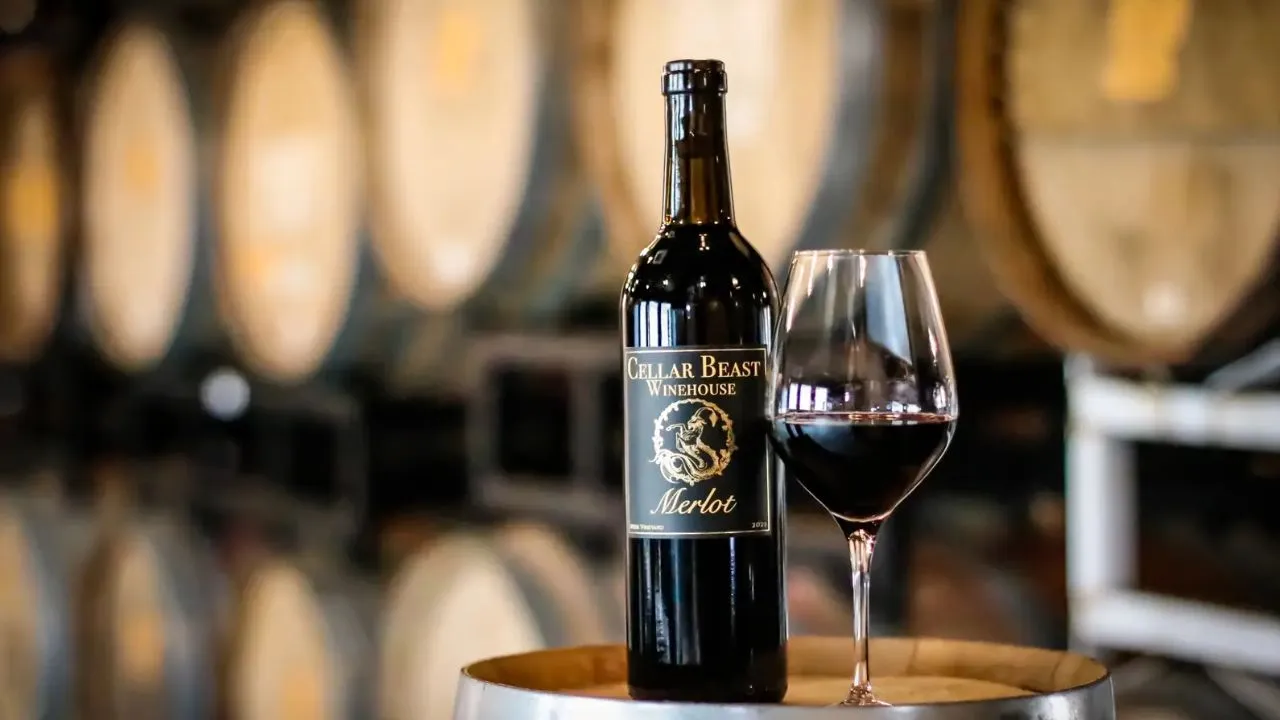
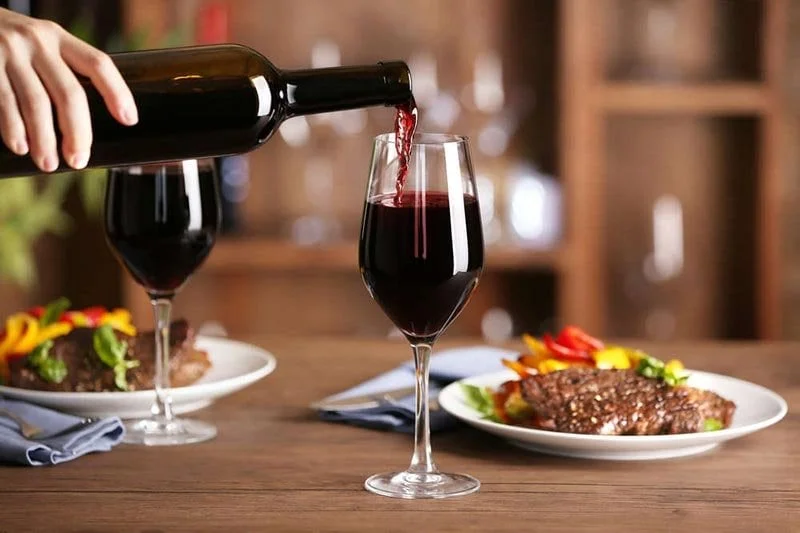
You are standing in the wine aisle holding two bottles. One says Syrah. One says Shiraz. They cost about the same. The labels look similar. You wonder if you are about to buy the same wine twice.
Here is the truth: Syrah and Shiraz come from the exact same grape. The grape itself has one identity. The names on the bottle tell you something else entirely. They tell you where the wine was made and, more importantly, what style the winemaker wanted to create.
This guide explains the real difference between Syrah and Shiraz. You will learn why two names exist, what each one means on a label, and how to choose the right bottle for your dinner or your syrah vs shiraz wine differences.
The Same Grape, Two Different Names
Syrah and Shiraz are the same grape variety. This is not a marketing trick. This is a fact confirmed by DNA testing and recognized by every major wine authority in the world .
The grape has its genetic origins in southeastern France. DNA studies conducted in 1999 showed that Syrah is a natural cross between two old French grapes called Dureza and Mondeuse Blanche . Both parent grapes are from the Rhône region. Neither is widely grown today. But their offspring became one of the most important red wine grapes on the planet.
So why do two names exist?
The simple answer is geography and history. French winemakers called the grape Syrah. When the grape traveled to Australia in the 1800s, it got a new name: Shiraz . Nobody knows exactly why the name changed. Some wine historians believe it was a spelling error that stuck. Others think early Australian growers wanted to create their own identity for the grape .
The name Shiraz also connects to the Persian city of Shiraz, which was once thought to be the grape's birthplace. That theory has been proven wrong by DNA science. But the name remained .
Today, the two names serve a practical purpose. They tell you what style of wine you are about to drink.
Why the Names Matter on a Wine Label?
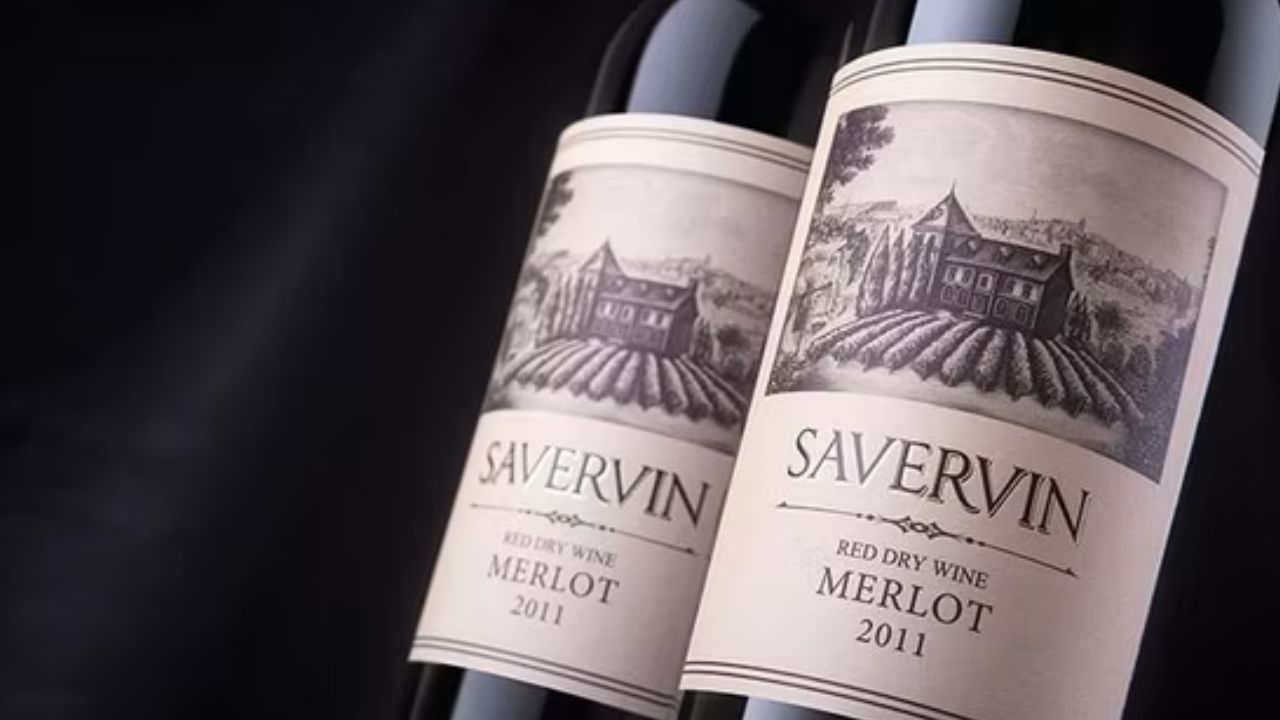
When you see "Syrah" on a label, the winemaker is telling you something about the wine inside. That wine likely follows the traditional French style. It will probably taste savory, spicy, and elegant .
When you see "Shiraz" on a label, the winemaker is signaling a different experience. That wine likely follows the Australian style. Expect riper fruit, a fuller body, and a smoother texture .
This is not a strict rule. It is a pattern. Winemakers around the world use these names to communicate with you. The name on the bottle is a shortcut. It helps you know what to expect before you pull the cork.
The Wine-Searcher database explains it clearly: Syrah typically indicates a cool-climate, more subtle style. Shiraz indicates a bigger and bolder warm-climate style .
How Climate Shapes the Wine?
The biggest factor that separates Syrah from Shiraz is climate. Where the grape grows changes how it tastes.
In cool climates, the grape ripens slowly. The resulting wine has higher acidity. The tannins feel firm and fine-grained. The fruit flavors lean toward red berries, black pepper, and herbal notes. The wine feels lean and focused .
In warm climates, the grape ripens quickly. Sugars climb. The resulting wine has more alcohol. The tannins feel softer and rounder. The fruit flavors become darker and riper, like blackberry jam and plums. The wine feels rich and full .
This is why the Rhône Valley in France produces Syrah. The climate there is moderate. The wines are savory and structured. This is also why the Barossa Valley in Australia produces Shiraz. The climate there is hot. The wines are bold and fruit-driven .
The same grape behaves differently depending on where it grows. The name on the bottle reflects that difference.
Read Also: Types Of White Wine For Beginners
What Syrah Tastes Like?
Syrah from a cool climate delivers a specific experience. The wine is dry with medium to high tannins. The acidity is fresh. The alcohol level stays moderate, usually between 13 and 14 percent .
The flavors tell a story of restraint. You will find dark fruit like blackberry and black plum. But those fruit notes do not dominate. They share space with savory elements. Look for black pepper, green peppercorn, violet, and sometimes a meaty or earthy quality .
The pepper note is not random. It comes from a chemical compound called rotundone. This same compound exists in black pepper, rosemary, and thyme. Syrah grapes contain more rotundone than almost any other red grape .
French Syrah from the Northern Rhône is the benchmark for this style. Wines from Hermitage are powerful and ageworthy. Wines from Côte-Rôtie are more perfumed and floral. Wines from Crozes-Hermitage offer approachable elegance .
Outside France, cool-climate regions like Yarra Valley in Australia and Hawke's Bay in New Zealand also produce Syrah in this style .
What Shiraz Tastes Like?
Shiraz from a warm climate delivers a different experience. The wine is dry with softer tannins. The acidity is lower. The alcohol level runs higher, often between 14 and 15 percent or more .
The flavors tell a story of abundance. Dark fruit dominates. You will find ripe blackberry, black cherry, and plum. The fruit tastes sweet and jammy, even though the wine is dry. Sweet spice notes like cinnamon and clove appear. Oak aging adds chocolate, mocha, and vanilla .
The texture is the biggest giveaway. Shiraz feels round and smooth in your mouth. The tannins are present but gentle. The wine coats your tongue with a rich, velvety weight .
Australian Shiraz from the Barossa Valley is the classic example. These wines are powerful, concentrated, and deeply colored. McLaren Vale Shiraz offers similar richness with more earthy and spicy notes. Hunter Valley Shiraz tends to be medium-bodied and more restrained .
How to Read a French Wine Label?
French wine labels follow different rules. They do not usually tell you the grape name. They tell you the place name instead .
This means you will rarely see "Syrah" on a French bottle from the Northern Rhône. Instead, you will see the name of the appellation. Hermitage, Côte-Rôtie, Cornas, and Saint-Joseph all produce red wines made from Syrah. The place name is the guarantee .
This system confuses many wine drinkers. But it reflects a French belief that the place matters more than the grape. A wine from Hermitage is not just Syrah. It is Syrah from a specific hillside with specific soil and specific weather. The place makes the wine what it is.
How to Read a New World Label?
New World wine labels work differently. They almost always tell you the grape name. This makes shopping easier .
In Australia, most producers use the name Shiraz. This is the traditional Australian name for the grape. It signals the bold, ripe style that made Australian wine famous .
But something interesting is happening. Some Australian producers now use the name Syrah on their labels. These winemakers are saying something specific. They are saying their wine follows the French style. It is more elegant, more savory, and less fruit-driven than typical Australian Shiraz .
This trend is not limited to Australia. Producers in California, Chile, and South Africa also choose between the two names based on the style they want to communicate .
The Blending Tradition
Syrah and Shiraz rarely appear alone in a bottle. Both styles work well in blends.
French winemakers in the Southern Rhône blend Syrah with Grenache and Mourvèdre. This combination appears in famous wines like Châteauneuf-du-Pape and Côtes du Rhône. The Syrah adds color, pepper, and structure. The other grapes add fruit and warmth .
In Australia, winemakers blend Shiraz with Cabernet Sauvignon. This combination became an Australian signature. The Shiraz brings softness and rich fruit. The Cabernet adds structure and syrah vs shiraz wine differences.
Some Australian producers also co-ferment Shiraz with a small amount of Viognier, a white grape. This technique comes from Côte-Rôtie in France. The white grape adds floral aromas and stabilizes color. The result is a wine that smells like violets and syrah vs shiraz wine differences.
You May Also Like: Is Cabernet Sauvignon Sweet?
Food Pairing for Syrah
Syrah's savory character makes it flexible with food. The pepper notes and firm structure work well with grilled meats. Lamb is a classic match. The earthy, gamey flavors of lamb mirror the wine's savory qualities .
Syrah also handles spice well. Dishes with black pepper, herbs, and mild heat pair beautifully. Think of lamb shawarma, gyros, or Chinese five-spice pork. The wine's peppery note picks up the spice in the food .
Hard cheeses work well too. The tannins cut through the richness of aged cheddar or gouda.
Food Pairing for Shiraz
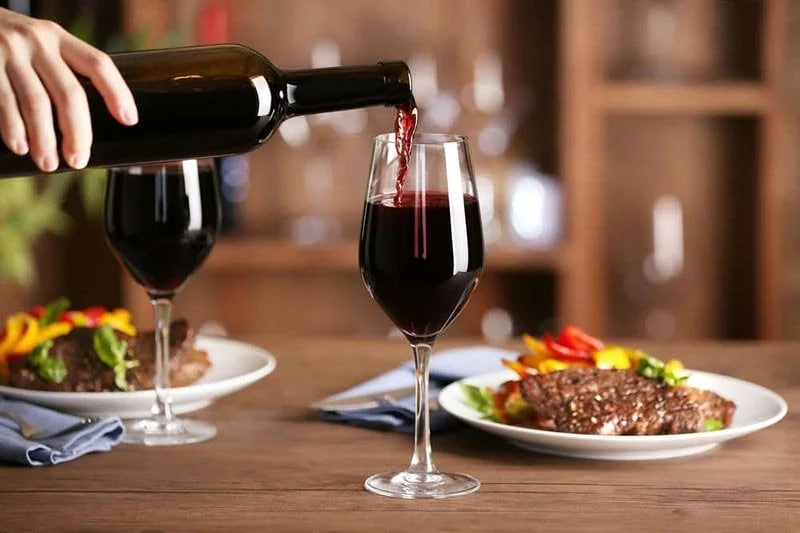
Shiraz's bold fruit and soft texture call for rich, hearty food. Barbecue is the natural partner. Smoked brisket, pulled pork, and grilled ribs all work. The sweetness in the wine's fruit complements the caramelized edges of the meat .
Shiraz also handles dark chocolate. The wine's mocha and chocolate notes from oak aging mirror the dessert. This pairing surprises people, but it works when the chocolate is at least 70 percent cocoa.
For a simpler match, try Shiraz with a burger. The wine has enough fruit and softness to handle the rich meat and sauce.
Common Myths About Syrah and Shiraz
Several myths surround these wines. Clearing them up will help you shop with confidence.
Myth One: Syrah and Shiraz are different grapes. This is false. They are the same grape variety. The difference comes from where it grows and how it is made .
Myth Two: All Shiraz is sweet. Shiraz is a dry wine. It tastes fruity because the grapes ripen fully in warm climates. That fruitiness can feel sweet, but the wine has no sugar .
Myth Three: French Syrah is always better. Quality exists everywhere. A well-made Shiraz from a good Australian producer can be excellent. A poorly made Syrah from France can be forgettable. The producer matters more than the country .
Myth Four: Syrah always has more pepper. Pepper is a characteristic of the grape, not the name. Both Syrah and Shiraz can show pepper notes. Climate plays a role. Cooler conditions tend to preserve more pepper character .
Myth Five: Shiraz is only from Australia. Australia made Shiraz famous, but the style exists elsewhere. Producers in South Africa, Chile, and California make Shiraz too. They use the name to signal the bold, fruit-driven style .
How to Choose Between Them?
The choice between Syrah and Shiraz comes down to what you want from the glass.
Choose Syrah when you want a wine that feels focused and savory. Choose it when you are eating grilled lamb or a dish with herbs and pepper. Choose it when you want a wine that makes you think rather than just enjoy .
Choose Shiraz when you want a wine that feels generous and comforting. Choose it when you are eating barbecue or a burger. Choose it when you want a glass that delivers pure pleasure without demanding attention .
Better yet, buy one of each. Taste them side by side. This is the fastest way to understand the difference. You will learn more from one comparison than from reading ten articles.
Frequently Asked Questions
Is Shiraz exactly the same as Syrah?
Yes and no. They come from the same grape variety. But the names indicate different winemaking styles and climates. Syrah usually means cool-climate, savory, and elegant. Shiraz usually means warm-climate, fruity, and bold .
Is Syrah sweeter than Shiraz?
Neither wine is sweet. Both are dry. Shiraz can taste sweeter because warm-climate grapes develop riper fruit flavors and higher alcohol. But the wine contains no sugar .
Which wine has more alcohol, Syrah or Shiraz?
Shiraz typically has more alcohol. Warm climates produce riper grapes with more sugar. More sugar means more alcohol after fermentation. Many Shiraz wines reach 14.5 percent alcohol or higher. Syrah often stays between 13 and 14 percent .
Can I use Syrah and Shiraz interchangeably in cooking?
Yes. Both wines work well in sauces, marinades, and stews. The flavor differences matter less when the wine cooks into food. Use what you have open .
Which one is better for aging?
Both can age well. Quality matters more than the name. Top Syrah from Hermitage can age for decades. Top Shiraz from Barossa can do the same. The best wines from both styles improve with time in the bottle .
Why do some Australian producers label their wine Syrah instead of Shiraz?
They want to signal a different style. Syrah on an Australian label means the wine is more elegant, savory, and restrained. It is the producer's way of saying this wine does not follow the typical bold Australian Shiraz style .
Final Thoughts
Syrah and Shiraz are the same grape with two different personalities. The grape itself carries the potential for both. Climate and winemaking decide which direction it takes.
A cool climate and a hands-off approach produce Syrah. The wine feels savory, peppery, and focused. It pairs with lamb and rewards attention.
A warm climate and a generous approach produce Shiraz. The wine feels rich, fruity, and smooth. It pairs with barbecue and delivers immediate pleasure.
Neither style is better. They simply serve different moments.
The next time you stand in the wine aisle, you will know what the labels mean. You can choose based on what you are cooking, who you are with, and what you want from the glass. That knowledge turns a confusing choice into a confident one.