If you love white wine but want to cut back on alcohol, you are not alone. More people are looking for bottles that deliver real flavor without the heavy feeling that comes with higher alcohol levels. The good news is that low alcohol white wine has never been better. Winemakers around the world are producing bottles that taste fresh, vibrant, and satisfying, often at half the alcohol of a standard pour.
This guide will walk you through everything you need to know. You will learn what counts as low alcohol, which grapes and regions to look for, and how to pick a bottle that matches your taste. Whether you want something bone dry and crisp or a little sweet and fruity, there is a low alcohol white wine out there for you.
What Counts as Low Alcohol White Wine?
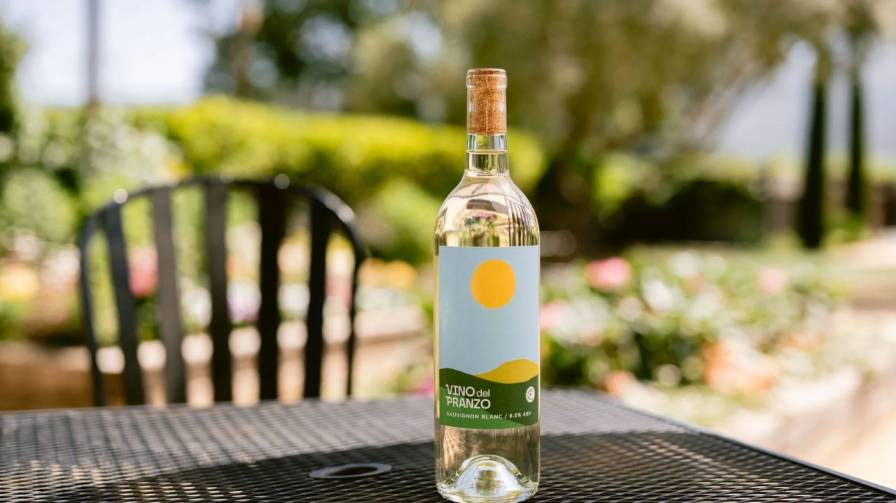
There is no single legal definition for "low alcohol" wine that applies everywhere. In general, most people consider anything under 11 percent alcohol by volume to fall into this category. Many of the best options sit between 5 and 9 percent. For comparison, a typical California Chardonnay often lands around 13 to 14 percent .
The key thing to understand is that alcohol in wine comes from sugar in the grapes. The riper the grapes get, the more sugar they have, and the more alcohol the yeast turns that sugar into during fermentation. Cooler climates usually produce grapes with less sugar, which naturally leads to lower alcohol. Some winemakers also stop fermentation early or blend in unfermented grape juice to keep the best low alcohol white wine .
Lower alcohol does not automatically mean sweet. Some low alcohol whites are completely dry. Others have a touch of sweetness. It depends on the grape and how the wine was made. You will find options across the entire spectrum.
You May Also Like: Wine Pairing With Spicy Mexican Food
Why Low Alcohol White Wine Is Having a Moment?
The shift toward lighter drinking is real. In 2024, 41 percent of consumers said they planned to reduce their alcohol intake, up from 34 percent the year before . Younger drinkers in particular are reaching for options that let them enjoy a glass without feeling weighed down. White wine fits this moment perfectly because it is already seen as lighter and more refreshing than red .
This is not just a trend. It reflects a broader change in how people think about drinking. Having a glass of wine is no longer about the alcohol alone. It is about the flavor, the ritual, and the pleasure of a well-made drink. Low alcohol white wine lets you have all of that without the aftermath.
The Best Grape Varieties for Low Alcohol White Wine
Some grapes are naturally better suited for low alcohol styles than others. Here are the ones you should know about.
Riesling
Riesling is the gold standard for low alcohol white wine. It ripens slowly and holds onto high acidity, which means it can develop complex flavors without building up too much sugar. German Rieslings from the Mosel region are famous for this. You can find bottles at 8 or 9 percent alcohol that are full of green apple, lime, and floral notes. Look for the word "trocken" on the label if you want a dry style . Riesling is also one of the most food-friendly wines you can pour, working beautifully with spicy dishes, seafood, and roasted chicken.
Moscato
Moscato is naturally low in alcohol, often landing around 5 to 5.5 percent. It has a sweet, grapey flavor that people either love or avoid. The best-known version is Moscato d'Asti from Piedmont, Italy. It is lightly fizzy, low in alcohol, and tastes like fresh peaches and orange blossoms. One wine expert described it as "refreshingly light" and "way better than the slew of no and low products that are flooding the market" . If you want something sweet and playful, this is your grape.
Vinho Verde
Vinho Verde comes from northern Portugal and is one of the lightest, most refreshing white wines you can find. It often has a slight fizz and flavors of lime, green apple, and white flowers. Alcohol levels are typically around 9 to 10 percent. The name means "green wine," referring to its youth and freshness rather than its color. It is meant to be drunk young and cold, and it pairs wonderfully with seafood, salads, and anything with a citrus kick .
Albariño
Albariño grows in the Rías Baixas region of northwest Spain and just across the border in Portugal, where it is called Alvarinho. These wines have succulent pear and citrus flavors with a distinctive saline touch that comes from the Atlantic influence. Alcohol usually sits around 12 to 12.5 percent, which is on the lower end for dry white wine . If you like Sauvignon Blanc but want something a little different, Albariño is worth seeking out.
Sauvignon Blanc
Sauvignon Blanc can vary widely in alcohol depending on where it is grown. Cooler regions like the Loire Valley in France and Marlborough in New Zealand produce versions with bright acidity and lower alcohol than warmer climate examples. New Zealand producers like Forrest Wines have experimented with leaf-plucking techniques in the vineyard to get grapes to ripen with full flavor but less sugar, resulting in wines closer to 9 or 10 percent . The flavors are classic Sauvignon Blanc: citrus, gooseberry, and fresh herbs.
Pinot Grigio and Pinot Gris
Pinot Grigio from Italy is already known for being light and crisp. Some producers have pushed further into low alcohol territory. Peller Estates in Ontario makes a "Light Pinot Grigio" at just 8 percent alcohol with green apple, pear, and citrus notes. It is described as "crisp and easygoing" with a clean, refreshing finish . If you want a familiar grape with less alcohol, this is a good place to start.
Garganega
Garganega is the grape behind Soave, a white wine from the Veneto region of Italy. It offers vibrant acidity, ripe fruit, and a distinctive almond note. The volcanic soils of the Soave hills give the wine depth and minerality without heaviness. Producers like Pieropan and Filippi have worked to restore Soave's reputation after decades of overproduction . Alcohol typically falls around 12 percent, but the wine feels lighter than that number suggests because of its best low alcohol white wine.
Other Italian Whites Worth Knowing
Italy has a treasure chest of white grapes that produce fresh, lower alcohol wines. Arneis from Piedmont has apricot and white peach aromas with a rounded texture. Carricante from Sicily's Mount Etna brings green apple and citrus peel with a flinty edge from volcanic soils. Catarratto, also from Sicily, offers delicate floral notes and a bitter almond finish. Grillo is another Sicilian grape with bright citrus and a subtle salinity . These grapes are not as famous as Pinot Grigio, but they deliver serious quality at fair prices.
How to Choose a Low Alcohol White Wine?

Knowing the grapes is helpful, but there are a few practical things you can do when you are standing in the wine shop or scrolling through an online store.
Read the Label Carefully
The alcohol by volume is almost always printed on the label, usually near the bottom or on the back. It is expressed as a percentage. Anything under 11 percent is in low alcohol territory. Under 9 percent is quite low. Under 5.5 percent is essentially in the same range as some kombuchas.
Be aware that lower alcohol often comes with a trade-off. When winemakers stop fermentation early to keep alcohol low, some sugar remains in the wine. That means some low alcohol wines taste sweeter than their standard counterparts . If you want dry, look for terms like "trocken" (German for dry), "brut" (dry sparkling), or check the residual sugar level if it is listed.
Read Also: Pinot Noir vs Merlot: A Simple Guide for Wine Lovers
Look to Cooler Regions
Wine regions with shorter, cooler growing seasons naturally produce grapes with less sugar. Germany's Mosel, northern Portugal's Vinho Verde region, France's Loire Valley, and parts of New Zealand are all good places to start . England is also producing still white wines with modest alcohol levels. These regions have built their reputations on freshness and balance rather than power.
Consider Sparkling
Sparkling wine is often lower in alcohol than still wine. Prosecco from Italy typically sits around 11 percent. Moscato d'Asti is even lower at 5.5 percent . If you enjoy bubbles, this is an easy way to drink lighter without giving up the celebration.
Do Not Ignore Alcohol-Free Options
If you want zero alcohol, the quality of alcohol-free wine has improved dramatically in recent years. Brands like Wild Idol, Bolle, and Thomson & Scott Noughty make sparkling wines that actually taste like wine, not like sweet grape juice . The process involves making real wine and then removing the alcohol, often through vacuum distillation or reverse osmosis. These wines can be a great choice for designated drivers, pregnant women, or anyone who simply does not want alcohol at all.
How to Serve and Store Low Alcohol White Wine
Low alcohol white wines are generally best served well chilled, between 6 and 8 degrees Celsius (about 43 to 46 degrees Fahrenheit) . The cold temperature accentuates their freshness and crispness.
One important thing to know: low alcohol wines do not keep as long after opening as higher alcohol wines. Alcohol acts as a preservative. Without it, the wine can go flat and dull within a few days. Always reseal the bottle and store it in the fridge. Try to finish it within two to three days for the best experience . Delicate dry whites are the most fragile. Sweeter styles and those with high acidity tend to hold up a little longer.
Food Pairings for Low Alcohol White Wine
These wines are incredibly versatile at the table because their lightness does not overwhelm food. Here are some pairings that best low alcohol white wine.
For crisp, dry styles like Vinho Verde, Albariño, or Sauvignon Blanc, think seafood. Oysters, shrimp, grilled fish, and ceviche are natural matches. Salads with citrus dressings, goat cheese, and fresh herbs also work beautifully. These wines cut through richness and refresh the palate .
For Riesling, the rule is simple: the sweeter the wine, the spicier the food it can handle. Thai curry, Indian dishes with a touch of heat, and aromatic Asian cuisine all pair well with off-dry Riesling. Dry Riesling is excellent with roast chicken, pork, and creamy pasta dishes .
For Moscato, think of it as a dessert wine or an afternoon sipper. It pairs well with fresh fruit, light cakes, and fruit tarts. It also works surprisingly well with blue cheese, where the sweetness balances the salt .
For Italian whites like Garganega, Arneis, or Carricante, look to the local cuisine. Soave with risotto or grilled vegetables. Arneis with creamy pasta or herb-roasted chicken. Carricante with oysters or lemon-dressed salads .
FAQs
Is low alcohol white wine always sweet?
No. Some low alcohol whites are completely dry. Riesling from Germany can be bone dry at 9 percent alcohol. Vinho Verde is usually dry or off-dry. Albariño is almost always dry. However, some low alcohol wines do have residual sugar because fermentation was stopped early. Always check the label or the producer's description if sweetness matters to you .
What is the lowest alcohol white wine?
Moscato d'Asti is one of the lowest at around 5.5 percent alcohol . Some alcohol-free wines are 0.0 percent or up to 0.5 percent. For traditional fermented wine that has not had alcohol removed, Moscato is about as low as it gets.
Does low alcohol wine taste different?
It can taste slightly different. Alcohol adds body and weight to wine. Without it, the wine can feel thinner. That is why some producers add a little sugar or blend in unfermented juice to round out the texture . But the best low alcohol wines are balanced and delicious in their own right. They are not trying to imitate a 14 percent Chardonnay. They are offering something lighter and more refreshing.
How long does low alcohol white wine last after opening?
Not as long as standard wine. Without alcohol as a preservative, the wine will start to fade after two or three days in the fridge. Always reseal it tightly and keep it cold .
Can I find low alcohol white wine at my local shop?
Yes. Most wine shops and supermarkets now carry at least a few options. Look in the section for lighter wines, or check the labels for anything under 11 percent. Online retailers often have a dedicated low or no alcohol section where you can browse more easily.
Final Thoughts
Low alcohol white wine has come a long way. It is no longer a compromise or an afterthought. Whether you choose a crisp Vinho Verde at 9 percent, a sweet Moscato at 5.5 percent, or a dry German Riesling at 8 percent, you can find bottles that deliver real pleasure without the heaviness.
The key is to know what you like. If you prefer dry and zesty, look to Portugal, Spain, and cool-climate Sauvignon Blanc. If you want something sweeter, Moscato is your friend. If you want bubbles, Prosecco and alcohol-free sparkling wines are excellent choices. And if you want zero alcohol entirely, the options have never been better.