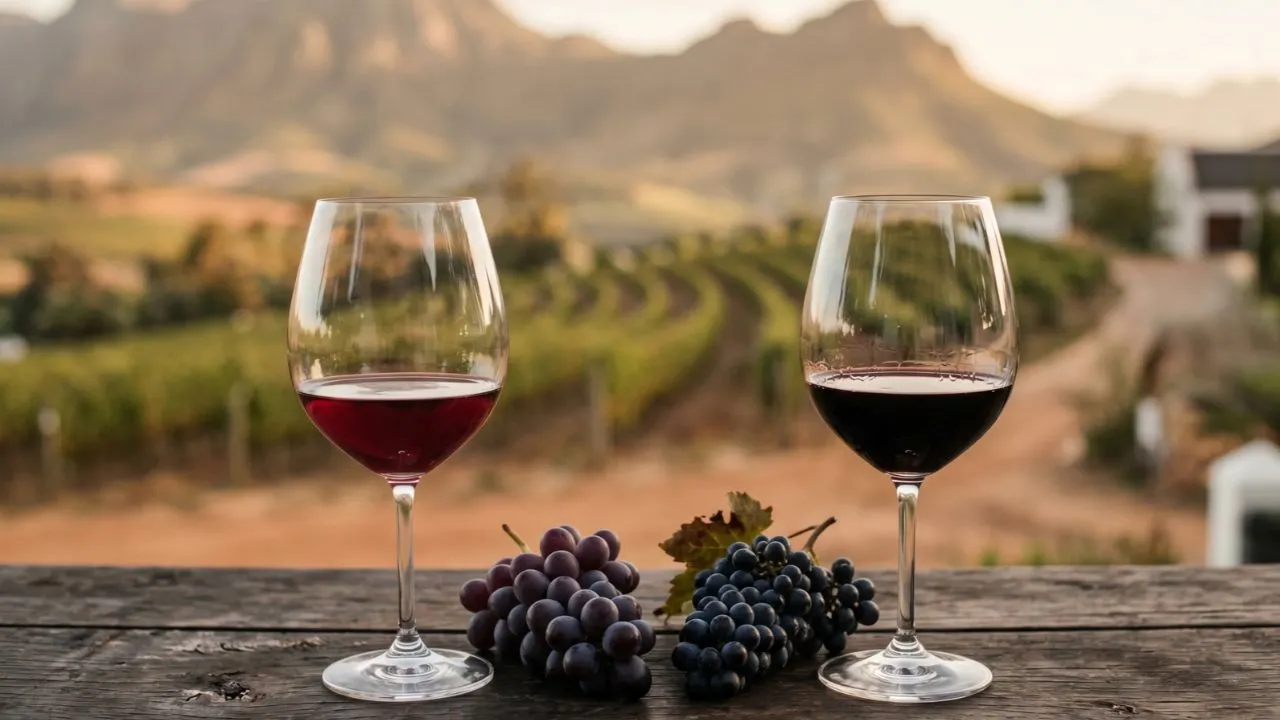
If you stand in the wine aisle holding a bottle of Merlot in one hand and a bottle of Shiraz in the other, they can look almost identical. Both are red. Both have dark glass. Both promise something pleasant inside. But the moment you open them, the difference becomes clear. Merlot greets you with softness. Shiraz hits you with force. Knowing which one to reach for depends entirely on what you want from your glass.
This guide breaks down the real differences between these two red wines. You will learn how they taste, where they come from, what foods they work with, and how to pick the right bottle for your next meal or quiet evening.
The Short Answer: Soft Versus Bold
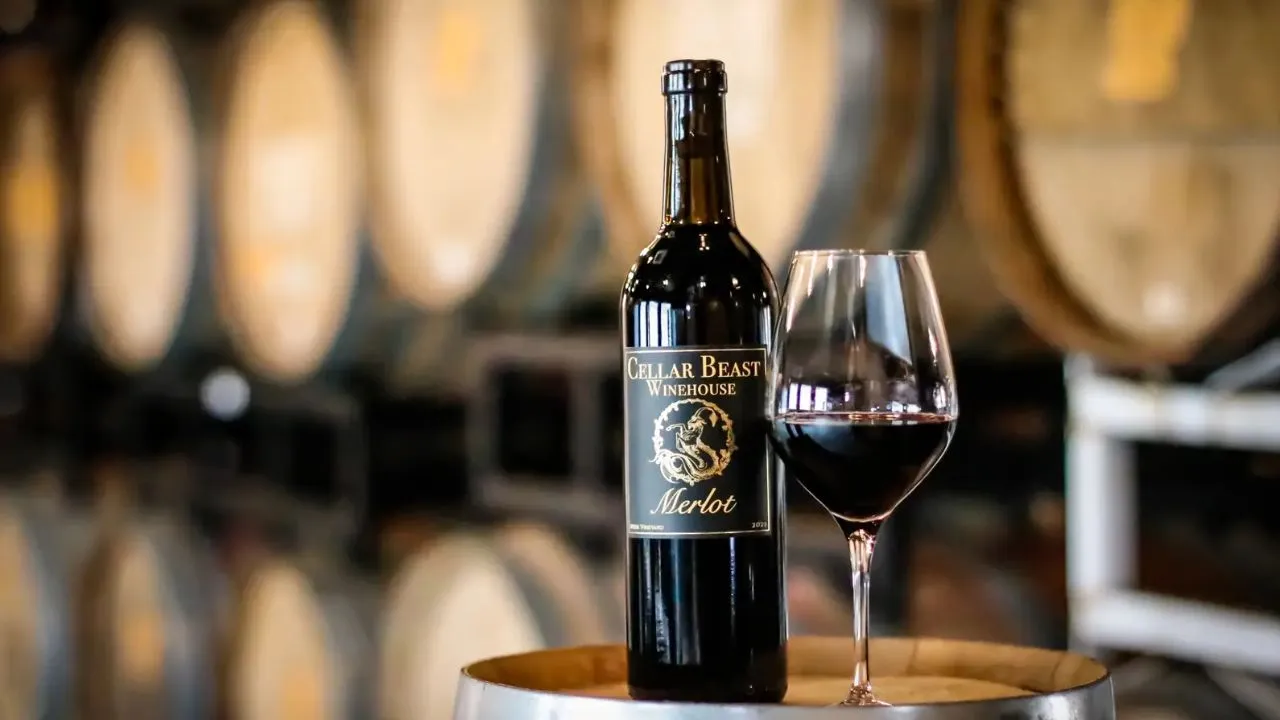
Merlot is a smooth, medium-bodied red wine with flavors of plum, cherry, and chocolate. It goes down easy and pairs well with roast chicken, pasta, and soft cheese . Shiraz is a full-bodied red wine with ripe blackberry, pepper, and dark chocolate notes. It feels heavier in your mouth and demands bold food like grilled steak or barbecue .
That is the simple version. The full story is more interesting.
Merlot: The Smooth Crowd-Pleaser
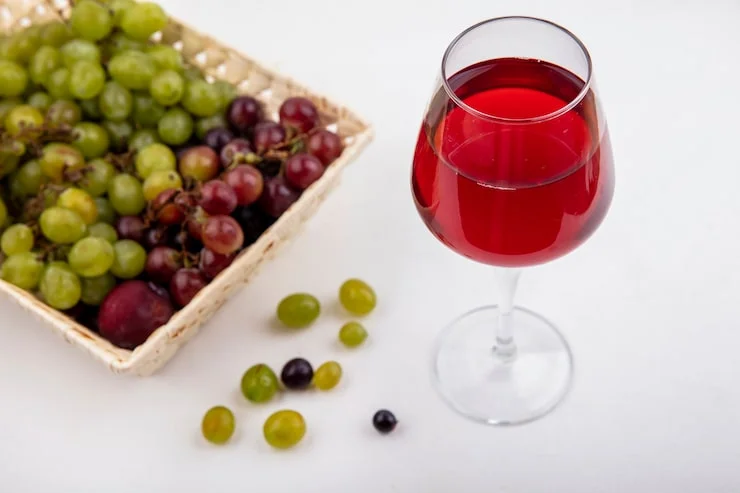
Merlot comes from Bordeaux, France, where it is the most planted grape in the region . It gained worldwide fame for being approachable. The name is easy to say. The wine is easy to drink. People who normally avoid red wine often find Merlot welcoming because it does not dry out their mouth the way some reds do.
What Merlot Tastes Like?
A typical Merlot offers soft plum and black cherry flavors. You might notice chocolate or a hint of bay leaf in the background . The wine feels round and plush on your tongue. It has low to medium tannin, which is the sensation that makes your mouth feel dry. That low tannin is why Merlot feels gentler than many other reds .
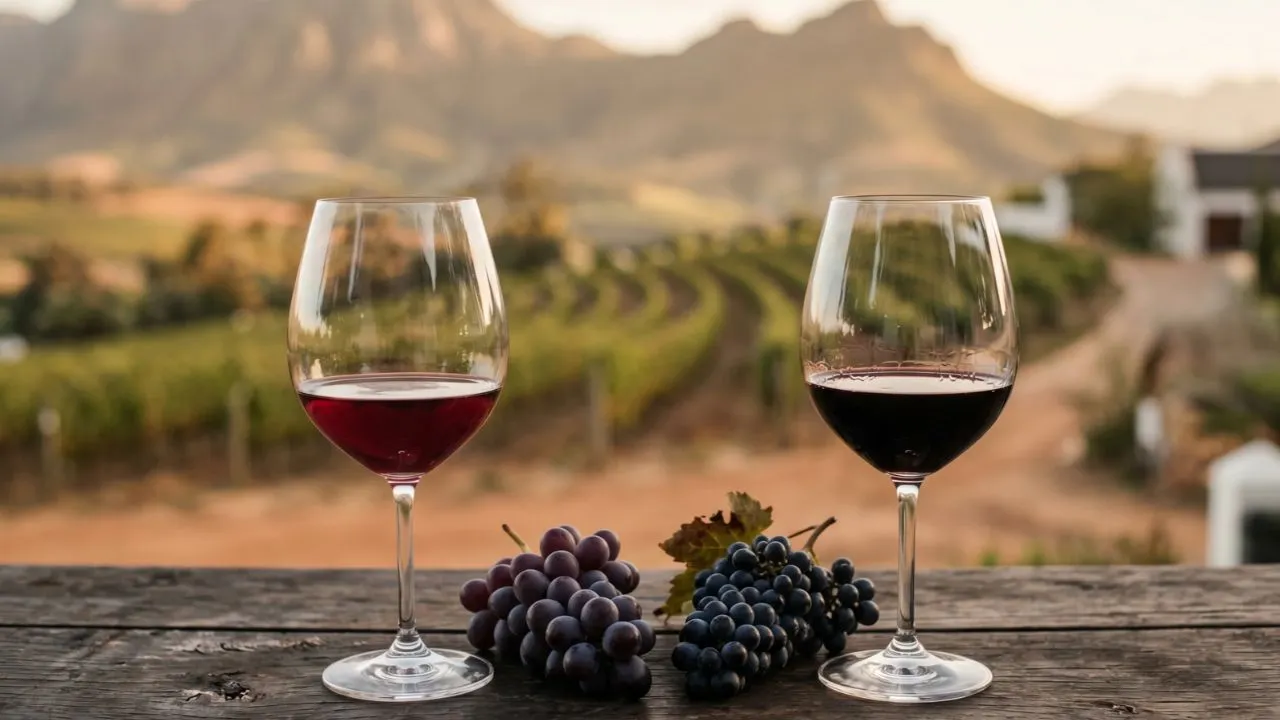
Where the grape grows matters a lot. Merlot from a warm place like California or Australia tends to be fruitier and softer. Merlot from a cooler place like France or Chile shows more structure and earthy notes like tobacco . This is not a flaw. It is a feature. The same grape expresses itself differently depending on sun, soil, and difference between merlot and shiraz.
Read Also: Best Wine Glasses For Red Wine
How to Serve and Pair Merlot?
Serve Merlot slightly below room temperature, around 14 to 18 degrees Celsius . If your kitchen is warm, put the bottle in the fridge for fifteen minutes before opening it. This temperature keeps the fruit flavors fresh without making the wine feel cold.
For food, Merlot works with roast chicken, pork, mushroom pasta, meatballs, and soft cheeses . It is also a safe choice for pizza night. Avoid pairing it with delicate fish or very spicy dishes, because the wine will either disappear behind the heat or clash with it .
Shiraz: The Bold and Spicy Red
Here is a fact that surprises many wine drinkers: Shiraz and Syrah are the same grape . The grape originated in the Rhône region of France, where it is called Syrah. When growers brought it to Australia in the nineteenth century, the name shifted to Shiraz. Most experts believe this was a spelling mistake that simply stuck .
The name difference reflects a style difference. French Syrah tends to be more restrained, with pepper and savory notes. Australian Shiraz, grown in warm regions like Barossa Valley, becomes riper and fuller, with bold fruit flavors and higher alcohol .
What Shiraz Tastes Like?
Shiraz delivers ripe blackberry, dark cherry, and plum. You will often find black pepper, dark chocolate, and a hint of mocha in the glass . The wine feels heavy and rich in your mouth. It has more tannin than Merlot, which gives it a firmer grip on your palate. The alcohol level can run higher too, often reaching fourteen percent or more.
This is not a subtle wine. Shiraz makes a statement. If you like bold flavors and do not mind a wine that demands your attention, Shiraz delivers.
How to Serve and Pair Shiraz?
Serve Shiraz at the warmer end of the red wine range, around 16 to 18 degrees Celsius. The warmth helps the aromas open up. A young Shiraz can also benefit from fifteen or twenty minutes in a decanter or a wide glass to soften its edges.
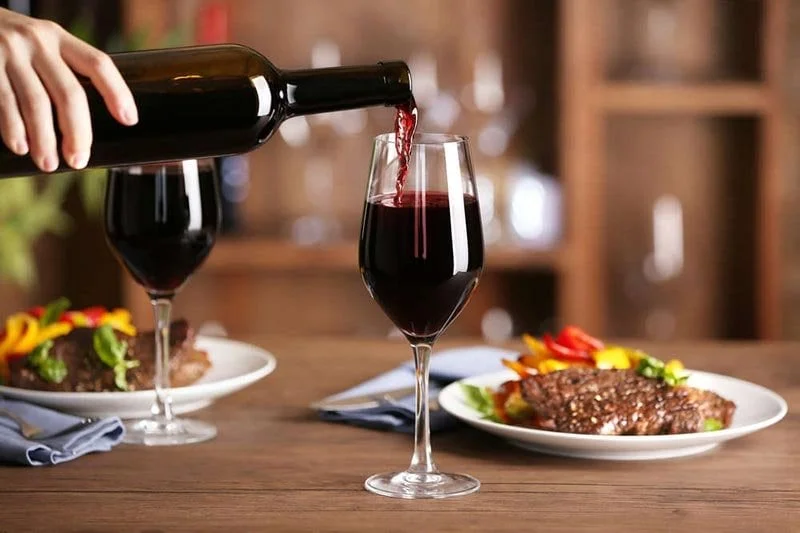
Shiraz shines with food that can match its intensity. Grilled steak, barbecue ribs, lamb, and hearty stews all work well. Charcuterie boards and tomato-based pasta dishes are also solid choices . The key is to avoid anything too delicate. A light salad or plain fish will be overwhelmed by a big Shiraz.
Side by Side: The Main Differences
| Feature | Merlot | Shiraz |
|---|---|---|
| Body | Medium | Full |
| Tannin | Low to medium | Medium to high |
| Main Flavors | Plum, cherry, chocolate | Blackberry, pepper, dark chocolate |
| Feel in Mouth | Soft and round | Bold and firm |
| Best With | Chicken, pasta, soft cheese | Steak, barbecue, lamb |
| Origin | Bordeaux, France | Rhône, France (as Syrah); Australia (as Shiraz) |
This table gives you the quick version. But numbers and categories only tell part of the story. The real test is what you taste and what you enjoy.
You May Also Like: Best Wine For Holiday Charcuterie Board
How to Choose Between Them?
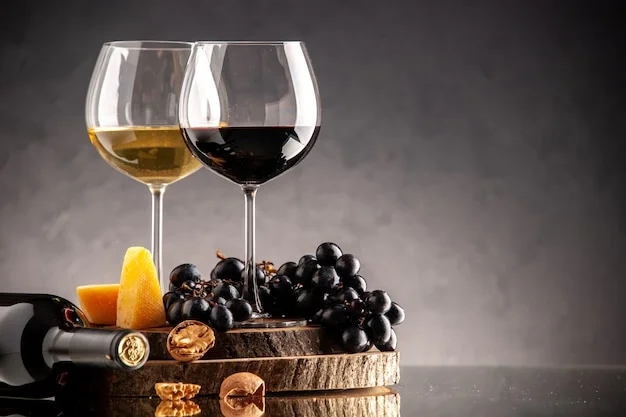
Think about what you are eating. If dinner is roast chicken with herbs or a creamy mushroom pasta, Merlot will feel like the right fit. It complements rather than competes. If you are grilling a steak or ordering a burger, Shiraz has the weight and intensity to stand up to the food.
Think about your mood. Some evenings call for a wine that you can sip without thinking too hard. Merlot fills that role. Other nights you want something that makes you pay attention. Shiraz does that.
Think about your guests. If you are pouring for people who are new to red wine, Merlot is the safer choice. Its soft texture and familiar fruit flavors make it easy to like. Shiraz can be polarizing. Some people love the boldness. Others find it too much.
A Note on Price and Quality
You can find good bottles of both wines at almost any price point. Neither grape is inherently more expensive or more prestigious. A cheap Merlot can taste thin and watery. A cheap Shiraz can taste hot and harsh from too much alcohol. The key is to look for producers with a reputation for balance rather than sheer power.
Do not assume that a higher price means a better wine for your taste. A fifteen-dollar Merlot that you enjoy is a better purchase than a fifty-dollar Shiraz that feels too heavy for you. Wine is personal. The label does not know your palate.
Frequently Asked Questions
Is Merlot sweeter than Shiraz?
No. Both wines are dry, meaning they contain almost no residual sugar. Merlot feels softer and fruitier, which some people mistake for sweetness. But the actual sugar level is low in both .
Can I cook with Merlot or Shiraz?
Yes. Both work in the kitchen. Merlot adds soft fruit notes to sauces and braises. Shiraz brings bold flavor to hearty meat dishes. Use a wine you would be willing to drink. Cooking wine that tastes bad will make your food taste bad too.
Which wine has more alcohol?
Shiraz typically has more alcohol than Merlot. Warm-climate Shiraz can reach fourteen to fifteen percent alcohol, while Merlot usually sits around thirteen to fourteen percent . This is a general pattern, not a rule. Always check the label if alcohol level matters to you.
Is Shiraz the same as Syrah?
Yes and no. They are the same grape variety. The difference is style and name. Syrah usually refers to the French style, which is more savory and restrained. Shiraz usually refers to the Australian style, which is riper and bolder . Some producers outside France use the name Syrah when they make a leaner style of wine from the difference between merlot and shiraz.
Conclusion
Merlot and Shiraz are both red wines, both made from grapes that grow in many parts of the world, and both can be delicious. The difference comes down to weight and intensity. Merlot is the softer, smoother option. Shiraz is the bolder, spicier option.
There is no wrong choice here. There is only the choice that fits your meal, your mood, and your taste. Try both. Pay attention to which one you reach for again. Your own preferences will tell you more than any guide ever could.